A Beginner's Guide to Scouting Free Lifestyle Locations in LA (No Permits Required)
Picture this. You have the outfit ready, the concept pinned and a date circled on your calendar for your first lifestyle shoot in Los Angeles. You feel good. Then you open your laptop to find the location and three hours later, you have a browser full of contradictory advice, a FilmLA permit page that looks like a legal document and a growing suspicion that shooting anywhere in this city without paying someone will get you fined.
That fear is not totally irrational. Los Angeles does have rules around photography. Some locations charge fees. Some require applications weeks in advance. And the internet, somehow, manages to make all of it sound more complicated than it actually is.
Here is what the internet rarely tells you clearly: the majority of lifestyle photography sessions in Los Angeles happen every single day, at beautiful locations, with zero permits, zero fees and zero paperwork. Not because photographers are breaking rules. Because most outdoor public spaces in this city, streets, parks, beaches, walkways and open plazas are fully legal for small personal and commercial lifestyle shoots without any permit at all.
This guide exists to give beginners the real, honest, usable roadmap. If you are a first time client booking a lifestyle session, a new photographer learning your city, a content creator building your visual brand or a small business that needs compelling images without a Hollywood sized budget, read this once and you will know exactly where to go, what rules actually apply, how to scout like someone who has done it a hundred times and what a well prepared shoot in Los Angeles actually looks like.
Why Most Beginners Leave Their First Scout Feeling Like They Wasted a Day
There is a specific pattern that almost every beginner follows when they scout a lifestyle location for the first time and it goes like this.
They choose a spot based on a photo they saw on Instagram. They drive to it. They stand in front of it. The light is completely wrong. The wall they came for is in shadow. There are delivery trucks parked along the only usable angle. The foot traffic is so heavy that getting a clean frame without strangers in it feels impossible. They take a few shots that feel awkward and uninspired, drive home and wonder what they did wrong.
What they did wrong was confuse finding a location with understanding it.
The Difference Between a Location That Looks Good and One That Photographs Well
These are not the same thing. A wall can look vibrant and textured in person and still produce flat, lifeless images if the light is hitting it from the wrong direction at the wrong time of day. A canal can feel quiet and beautiful on a Saturday afternoon walk and be so crowded by 10 AM the next Sunday that it is unusable for a lifestyle shoot.
Scouting a location means understanding how it behaves, not just how it looks. That means knowing which direction the light comes from at the time you plan to shoot, what the foot traffic looks like on different days and at different hours, what the background depth looks like when a 50mm or 85mm lens compresses the scene and whether the energy of the space matches the mood your shoot needs to communicate.
This is the skill gap that separates a photographer with one year of experience from one with five. And it is also the reason this guide does not just give you a list, it gives you the reasoning behind each location so you can evaluate any spot in Los Angeles using the same framework.
Light Is the Only Variable That Cannot Be Fixed in Post
Everything else about a lifestyle image, composition, color grading, cropping, even lens choice can be adjusted or worked around after the shoot. Light cannot. If your subject is lit by harsh overhead midday sun, the shadows under their eyes are deep, the highlights on their skin are blown out and the image has a flat, clinical quality that no preset will fix.
In Los Angeles, the sun sits at a high, harsh angle from roughly 10 AM to 4 PM for most of the year. This does not mean you cannot shoot during those hours, it means you need to find locations with natural shade, north facing walls or canopy cover if you are shooting in that window. And if you have any flexibility at all, protecting the first 90 minutes after sunrise and the 90 minutes before sunset is the single most impactful decision you will make during the planning of any outdoor lifestyle shoot.
Apps like Sun Seeker and PhotoPills let you point your phone at any location and see exactly where the sun will be at any hour on any future date. Using these tools before you scout is not overthinking, it is what every working photographer in Los Angeles already does, quietly, before every session.
The Actual Rules Around Permit-Free Photography in Los Angeles, Explained Simply
FilmLA is the organization that manages filming and photography permits for the City and County of Los Angeles. A permit from FilmLA is required when your shoot involves a professional crew, commercial lighting or grip equipment, production vehicles or anything that blocks or occupies public space in a way that affects other people's access to it.
For lifestyle photography which typically means one photographer, one to three subjects, a camera and natural light, a FilmLA permit is almost never required on public sidewalks, public streets, open city parks or California State beaches. This category of shoot is legal, common and conducted every day across the city without any permits or fees.
Three Lines That Separate Permitted Shoots from Permit-Free Ones
Understanding exactly where the line is will save you from unnecessary anxiety and from genuinely crossing into permit territory by accident.
The first line is equipment. A camera held in your hands or on a monopod is lifestyle photography. A camera mounted on a tripod, positioned with a light stand beside it and a reflector opposite it that begins to look like a production and some city parks explicitly require permits once equipment is set up. Shooting handheld or monopod keeps you clearly in the permit free category at almost every public location in Los Angeles.
The second line is access. If your shoot requires other people to wait, step aside or change their route through a public space, you have moved into territory that needs a permit. Two people walking naturally and pausing for photos never crosses this line. Setting up a backdrop stand on a busy sidewalk and asking pedestrians to walk around it does.
The third line is the one beginners most commonly miss: private property that feels public is still private property. The Third Street Promenade in Santa Monica, The Grove, outdoor shopping centers, hotel courtyards, rooftop spaces and branded commercial exteriors where a company's identity is clearly part of your frame, all of these are privately managed and require separate permission from the property management, regardless of FilmLA. When a space has security guards or branded signage at its perimeter, it is worth spending sixty seconds asking before you set up.
What California's Coastal Act Means for Lifestyle Photographers
California's Coastal Act established public access rights to the state's coastline and one of its practical effects is that California State Beaches including Venice Beach, Santa Monica State Beach, Zuma Beach in Malibu and El Matador are among the most accessible and reliably permit free locations in Southern California for lifestyle photography.
Small commercial and personal photography sessions at these beaches, without crew, without equipment setups and without blocking public beach access, are legal and do not require FilmLA permits. This is why so many lifestyle photographers in Los Angeles default to the beach for beginner shoots and also why the beach is only the beginning of what this city has to offer.
Eight Los Angeles Locations That Are Free, Permit Not Required and Worth Scouting Now
The Arts District, Downtown LA, Industrial Texture That Carries Beginner Images
The Arts District sits on the eastern edge of Downtown Los Angeles, built on the bones of old rail yards, packing warehouses and textile factories that have spent decades being transformed by muralists, architects and independent businesses into one of the most visually layered neighborhoods in the city.
What makes the Arts District particularly good for beginners is that the environment does a significant share of the visual work. The scale of the murals is large enough to anchor an image even when composition is still developing. The surface textures exposed brick, oxidized metal, raw concrete, hand painted signage create depth and dimension that a flat white wall simply cannot. And because the palette here covers everything from industrial neutrals to bold saturated color, it adapts to fashion, brand lifestyle, editorial portrait and creative content shoots without losing its character.
Traction Avenue, Mateo Street and the stretch of Alameda Street between 4th and 7th are the most productive corridors for scouting. All public sidewalks and street-facing walls are accessible with no permit. The best window is Tuesday through Thursday mornings, before 10 AM, when the neighborhood is active enough to feel alive but not yet crowded enough to interfere with a clean shot.
Venice Canals, Venice, Silence and Water Three Blocks from the Boardwalk
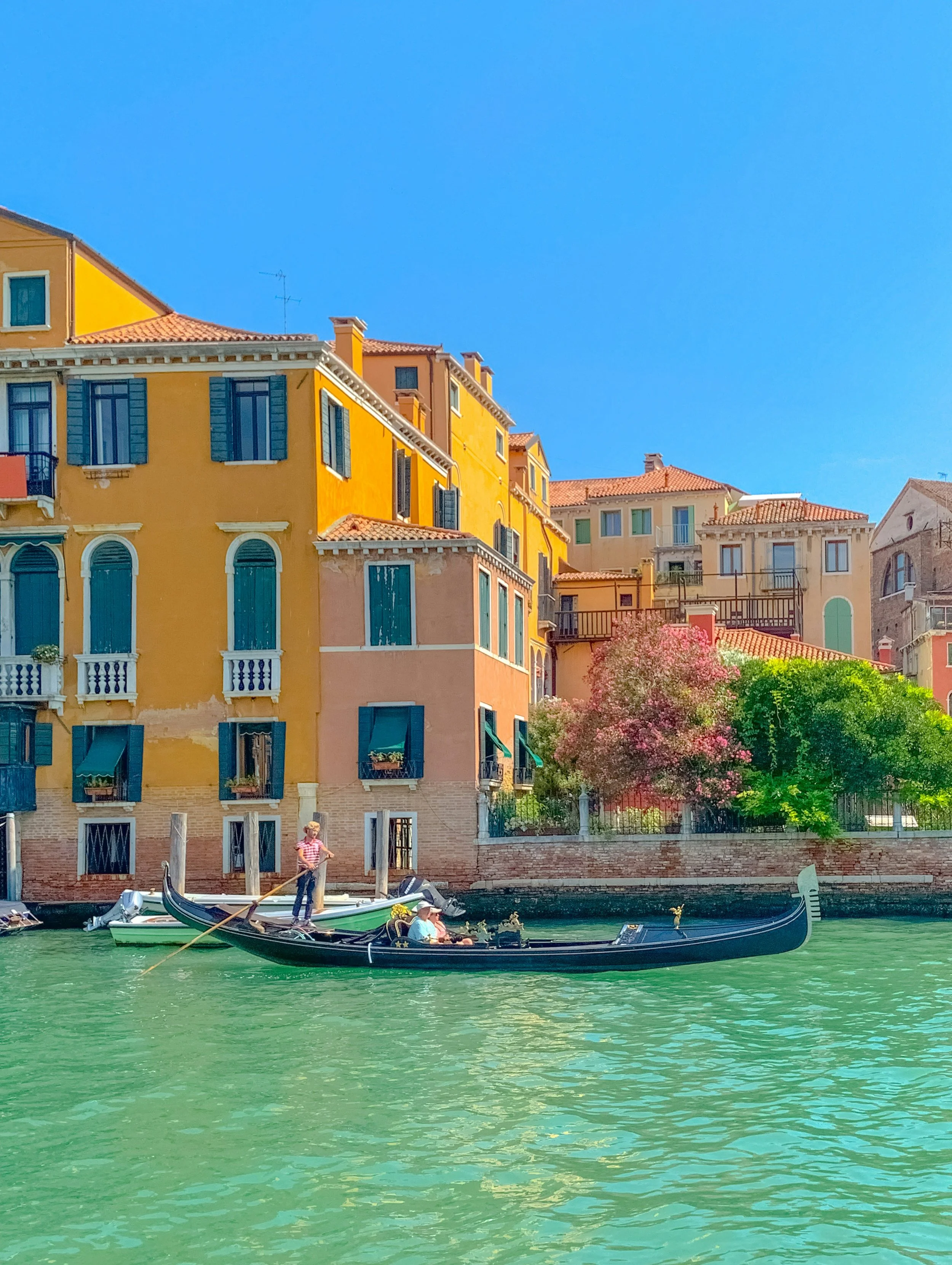
The Venice Canals are one of the most genuinely surprising locations in Los Angeles for anyone who has not been. Three blocks from the chaos of the Venice Boardwalk, there is a quiet residential canal network with wooden footbridges, mature trees and homes painted in soft coastal colors whites, sage greens, weathered blues that create a backdrop with absolutely no visual noise.
For lifestyle photography, the canals communicate something that very few urban LA locations can: stillness. They work exceptionally well for couples sessions, wellness and slow living brand content, fashion with a soft editorial direction and any creative portrait work where the environment needs to feel calm rather than energetic.
The walkways along the canals are public. No permit is required. The light on the water is at its softest and most directional in the first hour after sunrise, when the canal path is also at its most empty. By 9 AM on weekends, the neighborhood wakes up and foot traffic increases meaningfully.
Fern Dell, Griffith Park, The Urban Forest That No One Talks About
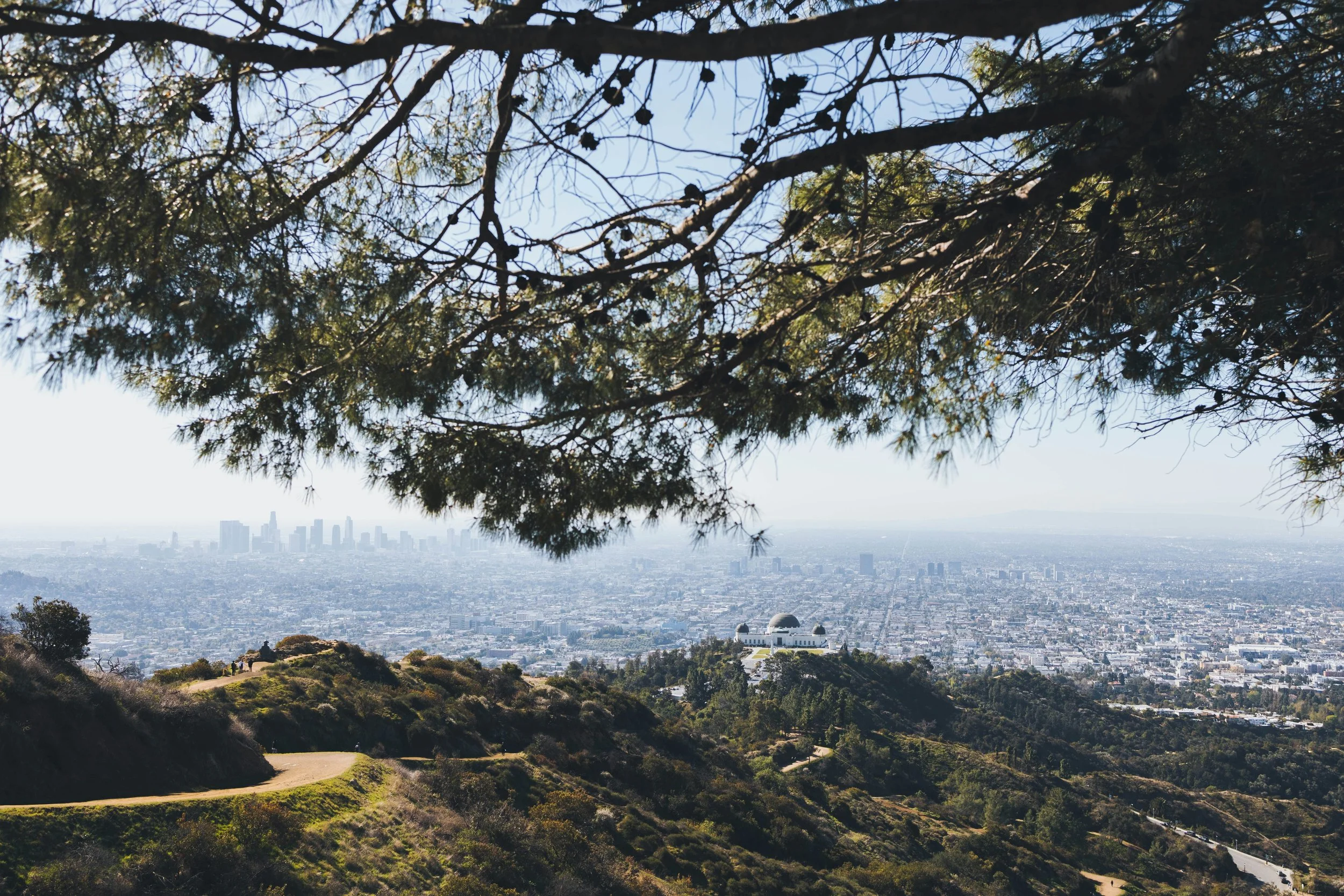
Griffith Park covers 4,310 acres of Los Angeles, and almost none of the photography happens outside of the Observatory overlook and the main hill trails. This is a mistake.
The Fern Dell entrance, accessed from Fern Dell Drive off Western Avenue, leads into a shaded wooded corridor that runs along a small natural stream. The path is canopied by oak and sycamore trees and lined with actual fern growth, not the kind that appears incidentally along a hiking trail but a deliberately maintained natural landscape that creates a dappled, diffused light that is extraordinarily difficult to find in an urban environment.
For lifestyle photography, Fern Dell photographs as a forest. Not a park that sort of looks like nature, an actual immersive green environment where the background has depth, organic texture and a quality of light that is fundamentally different from anything you will find on a city street. Wellness brands, outdoor lifestyle content, bohemian fashion and editorial portrait sessions with a natural directive all land here in a way they simply cannot at any urban location.
Within the same park, the Old LA Zoo ruins about a mile past Fern Dell toward Crystal Springs Drive offer overgrown concrete enclosures, collapsed walls and open sky framing that creates a cinematic, post urban atmosphere. It is the most unexpected fashion editorial location in Los Angeles and is almost never crowded.
Both areas are Los Angeles city park land, open to the public, with no permit required for small lifestyle shoots without equipment setup.
Elysian Park, Echo Park, The Skyline That Earns Its Keep at Golden Hour
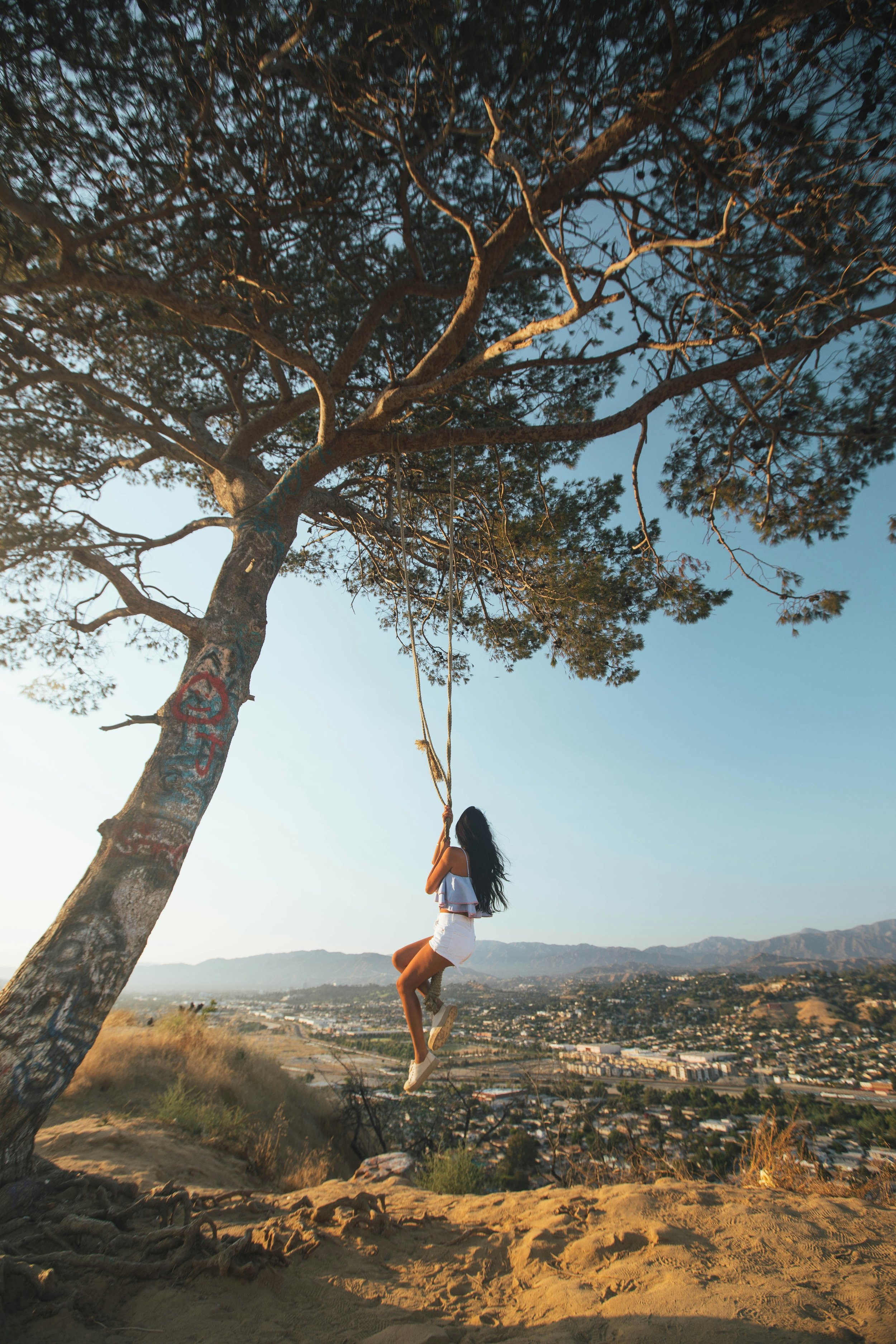
Elysian Park is Los Angeles' oldest municipal park and one of its most underused photography locations. The park sits between the 110 Freeway and Dodger Stadium, with a series of hilltop clearings that open directly onto unobstructed views of the Downtown LA skyline.
The reason the golden hour works so specifically well here is the directional geometry. In the late afternoon, the sun drops toward the west and northwest, which means light comes in nearly horizontally across the hilltops while the downtown skyline sits behind your subject and begins to warm in the same amber tone. The result is a backdrop that reads unmistakably as Los Angeles, not the beach, not a studio, not a wall, the city itself, glowing, behind someone who belongs in it.
For brand photography, creative portrait work, couple sessions with a cinematic directive, and any content that needs to signal Los Angeles as an identity rather than just a setting, Elysian Park's hilltop clearings are one of the strongest free locations in the city. No permit required for lifestyle shoots. Park road access closes after sunset, so plan to be set up before that window closes.
Melrose Avenue, West Hollywood, Color as a Compositional Tool
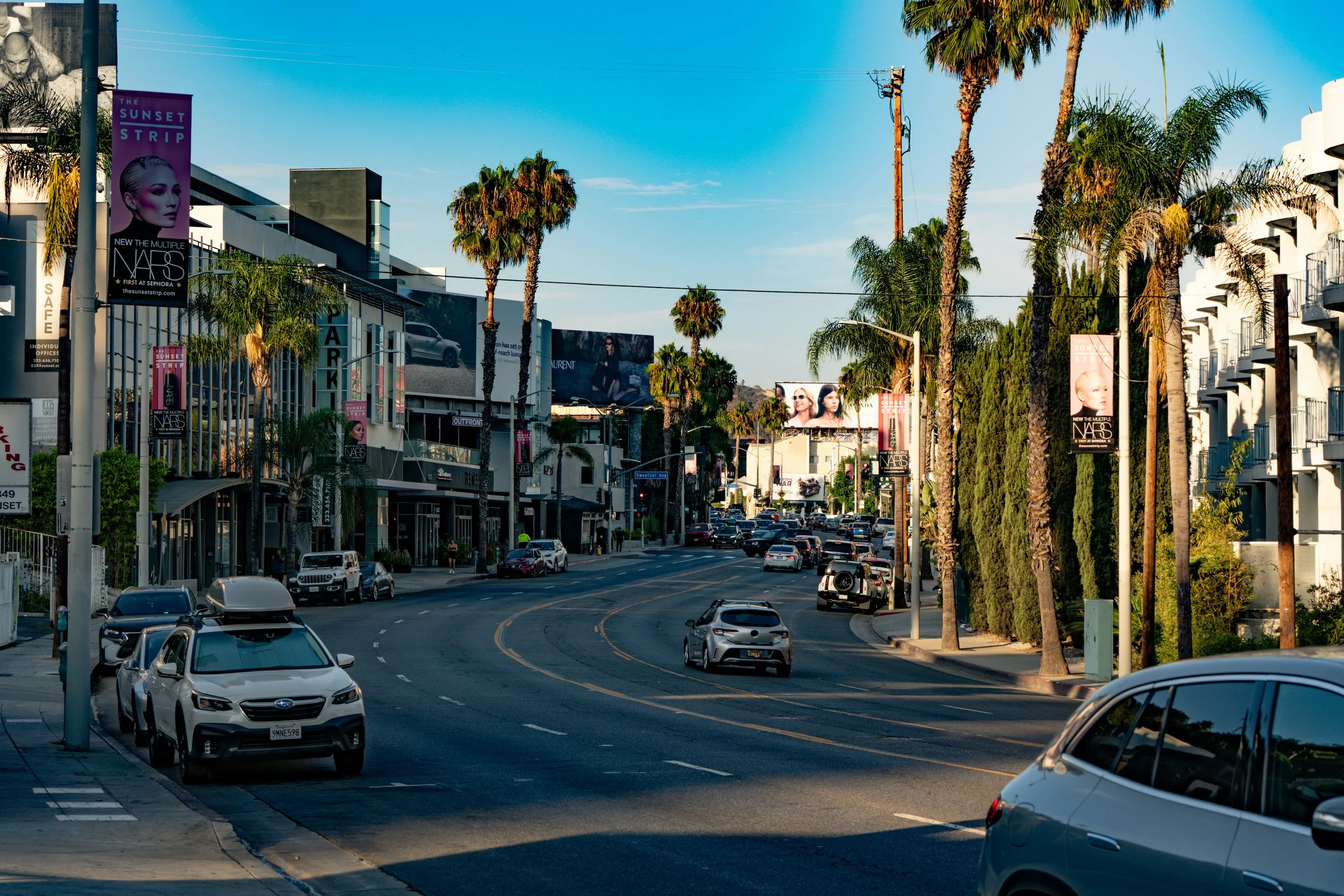
The stretch of Melrose Avenue between Highland Avenue and Fairfax Avenue changes. Murals rotate. Storefronts repaint. A new business opens and brings a new exterior palette. This is a location where returning every few months produces genuinely different material each time which is unusual for a fixed city street.
The visual palette on Melrose runs warmer, softer and more saturated than the Arts District. Pinks, warm yellows, sage greens, painted white brick, hand lettered window signage. For fashion, beauty products, influencer brands and lifestyle content that needs strong color presence without visual complexity, Melrose delivers more consistently than almost anywhere else in the city.
Public sidewalks along Melrose do not require a permit. Early Sunday mornings before 8:30 AM are when the street is cleanest, quietest and most controllable for a lifestyle shoot.
Echo Park, Where the Neighborhood Itself Is the Backdrop
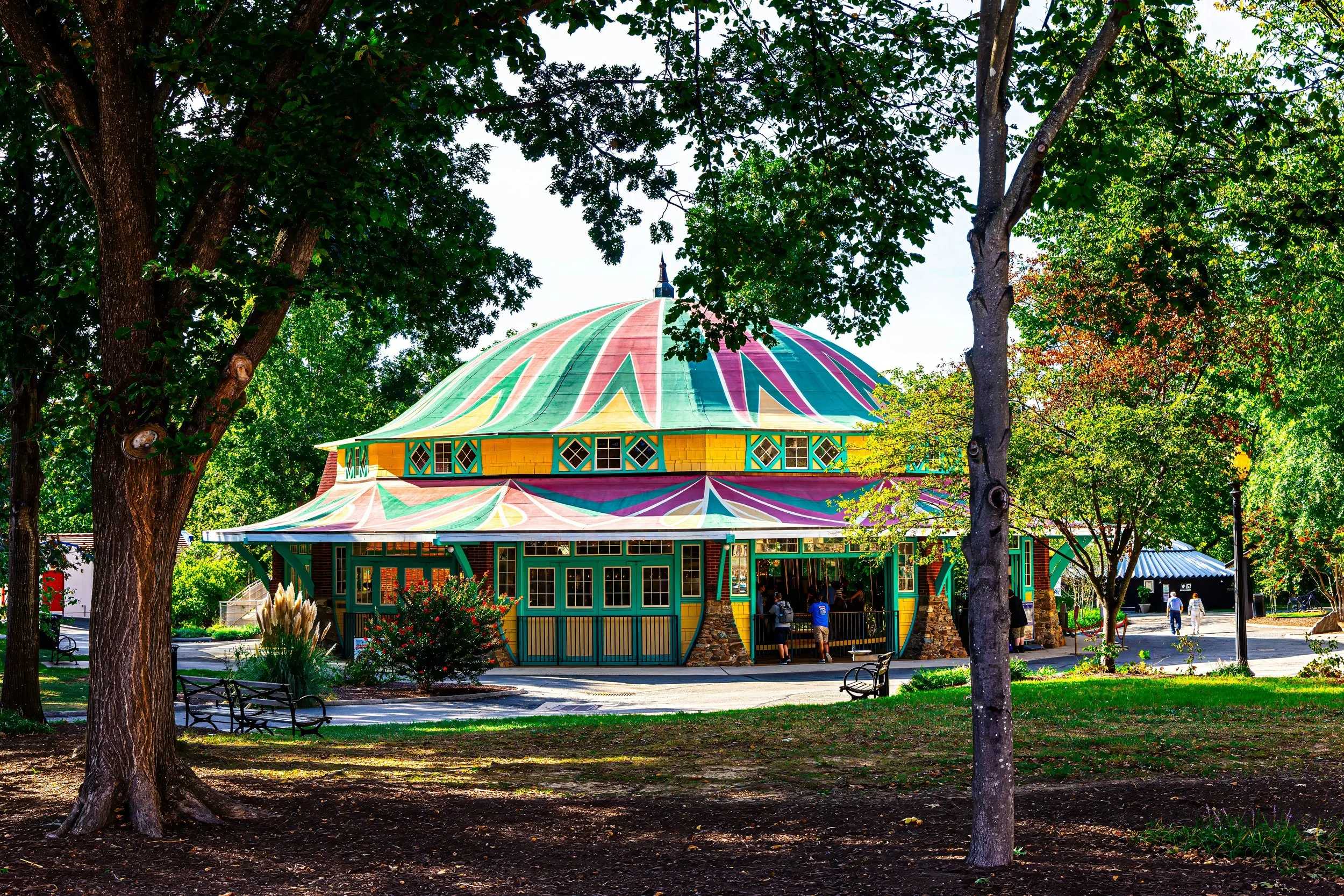
Echo Park photographs differently from every other neighborhood in this guide because its visual identity is genuinely layered. Victorian homes with deep gingerbread trim painted in faded pastels sit forty feet from a bold mural that takes up the entire side of a three story building. The renovated lake at the center of the park gives you water, reflections, palm trees and the downtown skyline in a single frame. Independent storefronts along Sunset Boulevard offer hand lettered signage, vintage architectural details and textured concrete that works beautifully for local brand and small business lifestyle content.
For beginners, Echo Park offers something rare: the ability to shift visual direction completely within a ten minute walk. If one angle is not working, you are never more than a block from something completely different. The lake perimeter and park areas are public. No permit required for small shoots.
The LA River Greenway, Glendale Narrows, The Location That Surprises Everyone
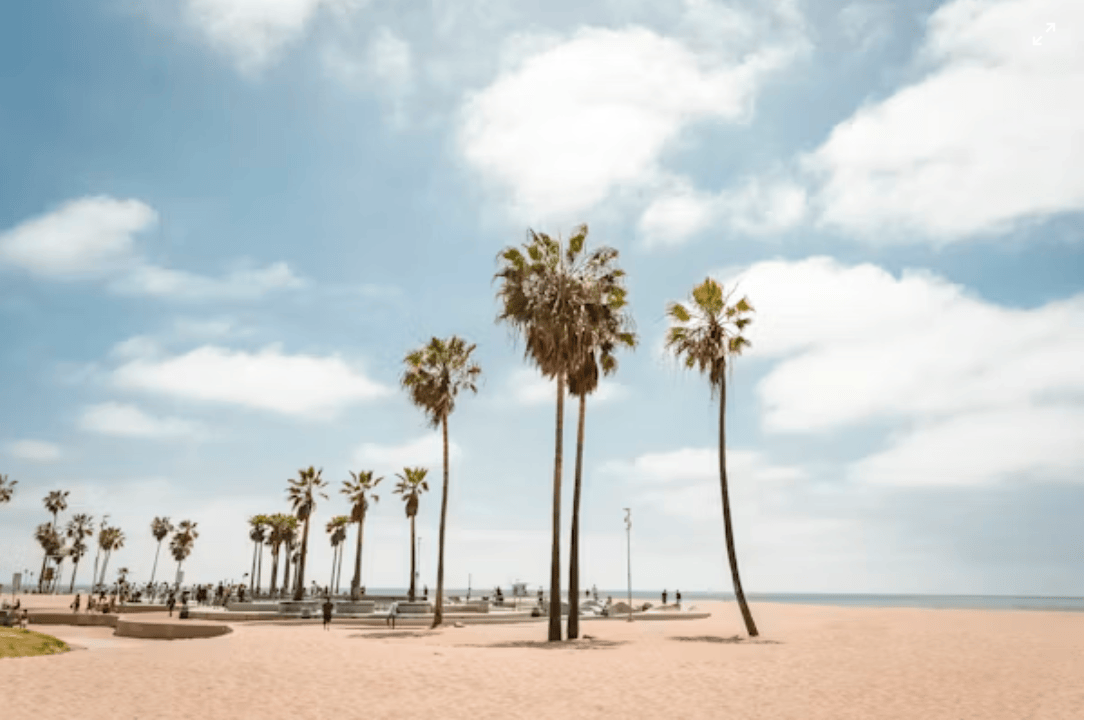
Almost no one who has not been to the Glendale Narrows section of the LA River believes it looks the way it does. This is the stretch between Fletcher Drive and Los Feliz Boulevard where the river runs over a natural soft bottom, actual flowing water, vegetation along both banks, herons standing in the shallows and a riparian corridor that creates a natural, almost rural landscape entirely contained within an urban infrastructure zone.
For lifestyle photography with an active, outdoor or sustainability adjacent direction, this location provides a visual contrast that reads as editorial and considered rather than accidental. The tension between the concrete river infrastructure visible in the distance and the lush natural foreground creates an image quality that is genuinely distinctive and very difficult to replicate anywhere else in the city.
The bike path along the river is a public recreational facility. No permit is required for small personal or lifestyle shoots. Weekday mornings before 9 AM are the least crowded and the most photographically productive.
Silver Lake Reservoir Loop Clean, Architectural and Consistent
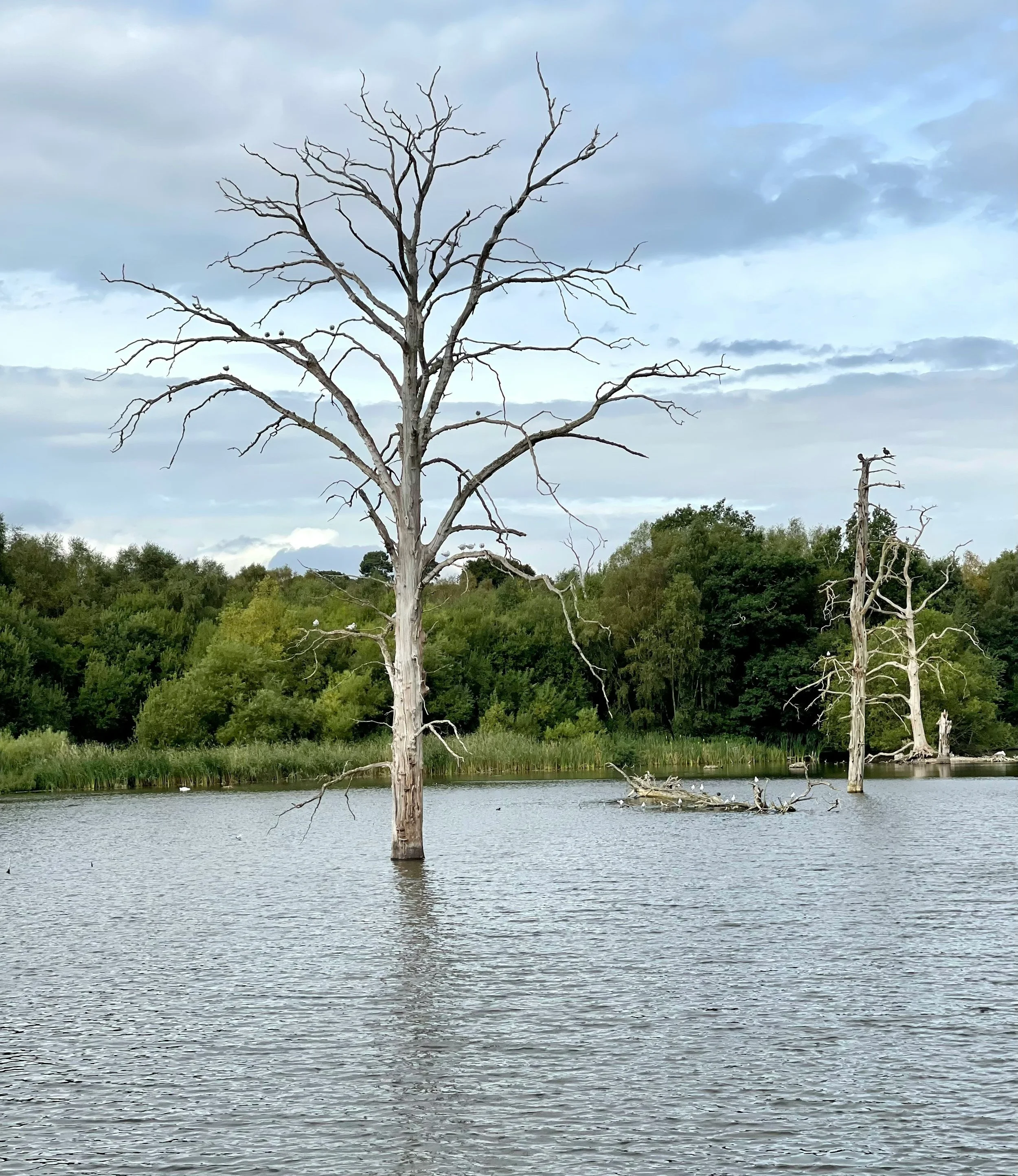
The walking path around the Silver Lake Reservoir is one of the quietest and most compositionally consistent locations in Los Angeles. The path is lined on one side by mature trees and on the other by mid-century modern residential architecture, bougainvillea climbing over courtyard walls and the deep blue green surface of the reservoir itself reflecting the sky.
What distinguishes Silver Lake as a scouting location is its visual consistency. Unlike murals that fade or storefronts that are repainted, the reservoir path looks essentially the same every morning which is useful when you need to plan a shoot with confidence and deliver what you promised a client. The early morning light on the water is genuinely beautiful. The path is public. No permit required.
How to Turn a Single Scout into a Shot List That Holds Up on Shoot Day
A scout is only as useful as what you do with it afterward. The photographers who consistently deliver strong lifestyle work in Los Angeles are not the ones who found the best locations, they are the ones who recorded what they found clearly enough to build a plan around it.
Documenting a Scout the Way Working Photographers Actually Do It
When you arrive at a location, shoot the full space with your phone in panorama and then at every angle you think might work. Note the time you arrived and which direction the light was coming from. Step back and shoot the wide context, then walk close and shoot the texture detail. Take a horizontal frame and a vertical frame of each viable angle. Voice memo your observations about foot traffic, noise level and anything that would change between now and shoot day, construction, seasonal foliage, upcoming events.
What you are building is not just a memory of the location. You are building a reference document that lets you arrive on shoot day already knowing your first three angles, your backup if foot traffic is high and the exact position where your subject needs to stand to get the light you scouted.
The Backup Location Rule That Saves Shoots
Public spaces in Los Angeles are unpredictable. A commercial film production can legally occupy a stretch of sidewalk with a permit and block the angle you planned. A weekend event can fill a park. Construction scaffolding appears overnight. Every experienced lifestyle photographer who works in this city carries a mental list of backup locations within fifteen minutes of any primary spot.
Build yours. For every primary location you scout, identify one backup with a different visual character. If your primary is the Arts District and a film crew is blocking Traction Avenue, you need a backup that serves a different part of the same shoot, not another mural wall an hour away.
Los Angeles Was Built to Be Photographed, This Is How You Do It Right
Every location in this guide exists right now, accessible today, requiring nothing more than a camera, a clear plan, and the right time window. The city is not locked behind a permit wall. It is not gatekept by fees or bureaucracy for the kind of work most lifestyle photographers do every week.
What separates the images that look like they belong in a magazine from the images that just look like someone went outside with a camera is not the location. It is the preparation that happened before anyone arrived, the timing that was protected before anyone pressed the shutter, and the eye that knew what to do with the light when it appeared.
That is what Sarah Sherr Photo brings to every session in this city, not just a camera and a location, but a prepared, specific, experience-backed understanding of how Los Angeles looks when the conditions are right and how to build every shoot around those conditions from the beginning.
Every great outdoor lifestyle shoot in LA starts with someone who knows the city well enough to choose the right wall at the right time. Book with Sarah Sherr Photo and walk away with images that prove it.
What It Actually Looks Like to Hire Someone Who Has Done This for You Already
Every section of this guide describes what a prepared, experienced approach to lifestyle location scouting looks like. The honest follow up is this: all of it takes time, experience and a working knowledge of how Los Angeles specifically behaves as a photography city.
Sarah Sherr Photo is a Los Angeles lifestyle photographer whose practice is built around exactly this kind of preparation. Before every session, the location is chosen based on the specific visual identity the shoot needs to communicate, not picked from a generic list, not recycled from the last shoot that ran well. The light window is planned around the specific location and time of year. Secondary angles are identified in advance. A backup location is always ready.
For clients booking a lifestyle session whether for personal brand photography, couples work, small business content or creative portrait sessions, this means showing up to your shoot without a single logistical concern. You do not bring location knowledge. Sarah does. You bring yourself, your story and what you want these images to say about you.
If you are a beginner photographer still building that knowledge base, working alongside someone with a deep and current understanding of LA's permit free landscape will compress your learning curve considerably. Watch how locations get chosen. Watch how timing decisions get made. Watch how a public wall with two people and a camera turns into an image that looks like it belongs in an editorial spread.
Sarah Sherr Photo works with brands, content creators, couples and individuals across Los Angeles. The calendar fills in genuine windows, the golden hour slots go first because everyone who has worked with Sarah once knows exactly how much that light matters.
Book your session now. Not because of urgency for its own sake because the locations in this guide are best experienced with someone who already knows how to read them.
Frequently Asked Questions
Does a lifestyle photography session in LA require a FilmLA permit?
Usually not. Small lifestyle shoots using natural light and minimal personnel generally do not require a FilmLA permit.
Are California state beaches free to shoot on without a permit?
Yes. Small photography sessions without crews, lighting setups or drones can typically be conducted on public state beaches without permits.
Which LA neighborhood gives beginners the most margin for error on their first shoot?
The Arts District is often the easiest starting point due to its murals, textures, and visually strong backgrounds.
What is golden hour and why does it matter specifically in Los Angeles?
Golden hour occurs shortly after sunrise and before sunset, providing softer, warmer light than LA's harsh midday sun.
Is it legal to photograph on Melrose Avenue and in the Arts District without permission?
Yes, photography is generally allowed on public sidewalks and streets. Permission is only needed for private property or commercial use involving private spaces.
Does a lifestyle photography session in LA require a FilmLA permit?
Usually no. Small lifestyle shoots with a photographer, a few subjects, and no equipment setup generally do not require a permit.
Are California state beaches free to shoot on without a permit?
Yes. Small photography sessions without crews, lighting setups, or drones can typically be conducted on public state beaches without a permit.
Which LA neighborhood gives beginners the most margin for error on their first shoot?
The Arts District is often the best choice. Its murals, textures, and industrial backgrounds help create strong images even for less experienced photographers.
What is golden hour and why does it matter specifically in Los Angeles?
Golden hour is the period shortly after sunrise and before sunset. It provides softer, warmer light that is far more flattering than LA's harsh midday sun.
Is it legal to photograph on Melrose Avenue and in the Arts District without permission?
Yes, photography is generally allowed on public sidewalks and streets. Permission is only needed when shooting on private property or using private spaces commercially.