
Famous Jewelry Photographers Across the 19th, 20th and 21st Centuries
Jewelry photography is not just a modern marketing tool, it is the result of a long historical evolution shaped by science, art, and commerce. Before digital cameras and luxury advertising, jewelry was documented through careful studio setups, early optical experimentation, and precise lighting methods designed to capture the true value of rare materials. Over time, this practice developed alongside major cultural shifts, wars, industrial growth, and the rise of fashion media, turning simple documentation into a refined visual discipline.
From the 19th century’s technical studio photography to the emotionally driven editorial work of the 20th century and today’s high resolution digital campaigns, jewelry imagery has continuously adapted to changing technology and consumer expectations. Each era introduced new methods of capturing reflection, texture and brilliance while also redefining how luxury is perceived and communicated.
This blog explores that full historical journey in detail. It breaks down the evolution of jewelry photography from early scientific documentation to modern commercial branding, highlights key photographers and movements that shaped the field, and shows how techniques developed over time still influence luxury imagery today.
Jewelry Photography History in the USA & Los Angeles
19th Century America: Documentation and Craft
In the 1800s, American jewelry photography was primarily focused on scientific accuracy and documentation. Early studios used window light and diffused setups to minimize reflections and capture fine material details. Institutions like the Smithsonian Institution preserve early examples that emphasize surface clarity, gemstone structure, and metal texture. This era established the foundation of product photography in the United States, where precision and visibility were more important than aesthetics.
20th Century America: Editorial Glamour and Brand Identity
With the rise of fashion magazines such as Harper's Bazaar, jewelry photography shifted toward editorial storytelling and brand expression. Controlled lighting, styled compositions, and model integration transformed jewelry into a symbol of fashion and lifestyle. Hollywood’s influence, especially from Los Angeles, introduced cinematic lighting techniques, giving jewelry imagery a dramatic, aspirational quality that elevated it beyond simple product display.
21st Century America: Digital Mastery and Conversion Focus
Modern jewelry photography in the USA is driven by digital precision and multi platform use. Brands now demand ultra high resolution imagery, perfect color accuracy, and consistent visuals across e-commerce, advertising, and social media. Jewelry photography has become a strategic tool focused on storytelling, conversion and brand identity, where technical perfection and emotional appeal must work together.
Jewelry Photography Evolution in Los Angeles
In the 19th century, Los Angeles followed national trends with basic studio setups, relying on natural light and simple backdrops. The 20th century transformed the city into a cinematic hub, where Hollywood lighting techniques introduced dramatic contrast, soft diffusion, and luxury styling into jewelry photography. Today, Los Angeles stands as a global center for luxury branding, combining editorial aesthetics with technical precision to create world-class jewelry imagery for digital and commercial platforms.
Famous Jewelry Photography in 19th Century
Jewelry in the 19th century was more than decoration, it was a symbol of identity, wealth, loyalty, and memory. Materials like gold, silver, diamonds, pearls, and gemstones were widely used, but the meaning behind each piece mattered just as much as its value. For example, mourning jewelry (often made with hair of the deceased) became popular during eras like the reign of Queen Victoria, reflecting grief and remembrance.
Jewelry served multiple roles:
Status & Power: Jewelry in the 19th century was a clear marker of status and power. The wealthy wore elaborate pieces to signal class, influence, and social position, often using rare gemstones and intricate craftsmanship to stand apart in elite circles.
Emotional Value:At the same time, jewelry carried deep emotional value. Lockets, rings, and brooches often held portraits, hair or inscriptions, turning them into personal keepsakes that preserved love, memory, and identity across generations.
Security Asset: In uncertain times, jewelry also functioned as a security asset. It was portable, discreet, and easy to trade, making it a reliable form of wealth during wars, displacement, or economic instability.
Connection to wars and unrest
During conflicts like the American Civil War and other 19th century uprisings, jewelry gained even greater importance:
Families converted wealth into jewelry because banks and currencies were unreliable.
Women often wore or hid jewelry to protect family assets while fleeing conflict.
Jewelry became a target for looting and snatching, especially during invasions or social unrest, because it was small, valuable and easy to resell.
Was Jewelry Photography Useful Then?
Not significantly in a commercial sense. Early photography existed (like daguerreotypes), but It was slow, expensive and not detailed enough for fine product showcasing. Jewelry was mainly sold through physical viewing, word of mouth, or illustrated catalogs, not photos. However, photography had a limited emotional role. Some people photographed themselves wearing meaningful jewelry (especially mourning pieces) to preserve memory.
List of Famous Jewelry Photographers in 19th Century
During the 1800s, jewelry photography was rarely a separate specialty. Many early portrait or landscape studios documented jewelry for archives, catalogs and luxury records.
Leon & Levy
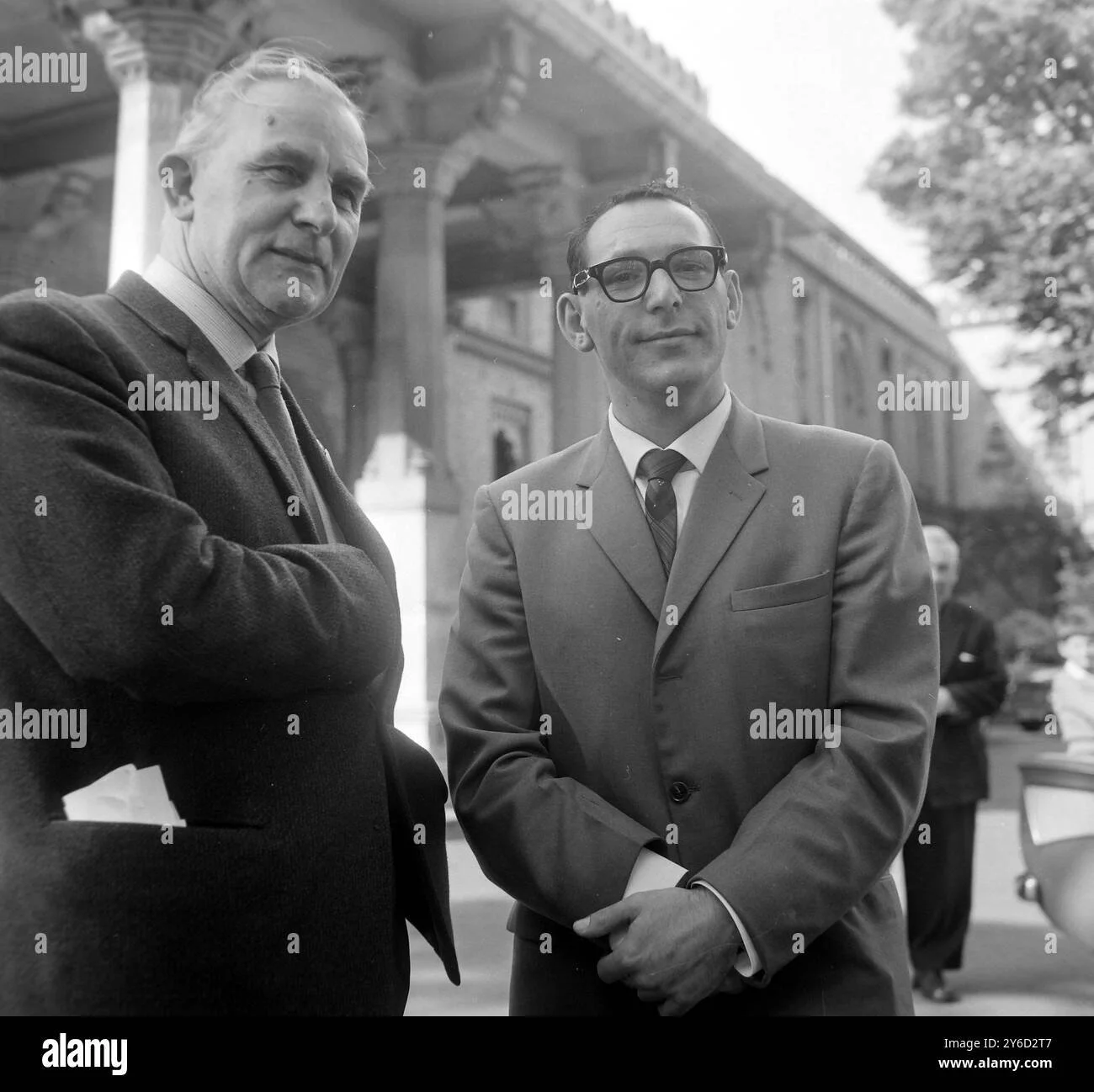
Isaac Léon and Louis Lévy were pioneering 19th-century French photographers who co-founded the Léon & Levy studio in Paris, active during the mid to late 1800s. They became known for their mastery of early photographic processes, producing highly detailed images using large format cameras and carefully controlled lighting. Their work often focused on architecture, cultural artifacts, and finely crafted objects, where precision and clarity were essential. With strong technical skill and an eye for composition, they helped elevate photography from simple documentation to a refined visual craft, setting early standards for capturing intricate subjects with accuracy and depth.
Why selected: Important French studio documenting luxury goods and architecture.
Signature style: Clear, structured composition with architectural precision.
Major achievements: Archival documentation of decorative arts.
Relevance: Helped establish jewelry documentation as historical record photography.
Neurdein Frères
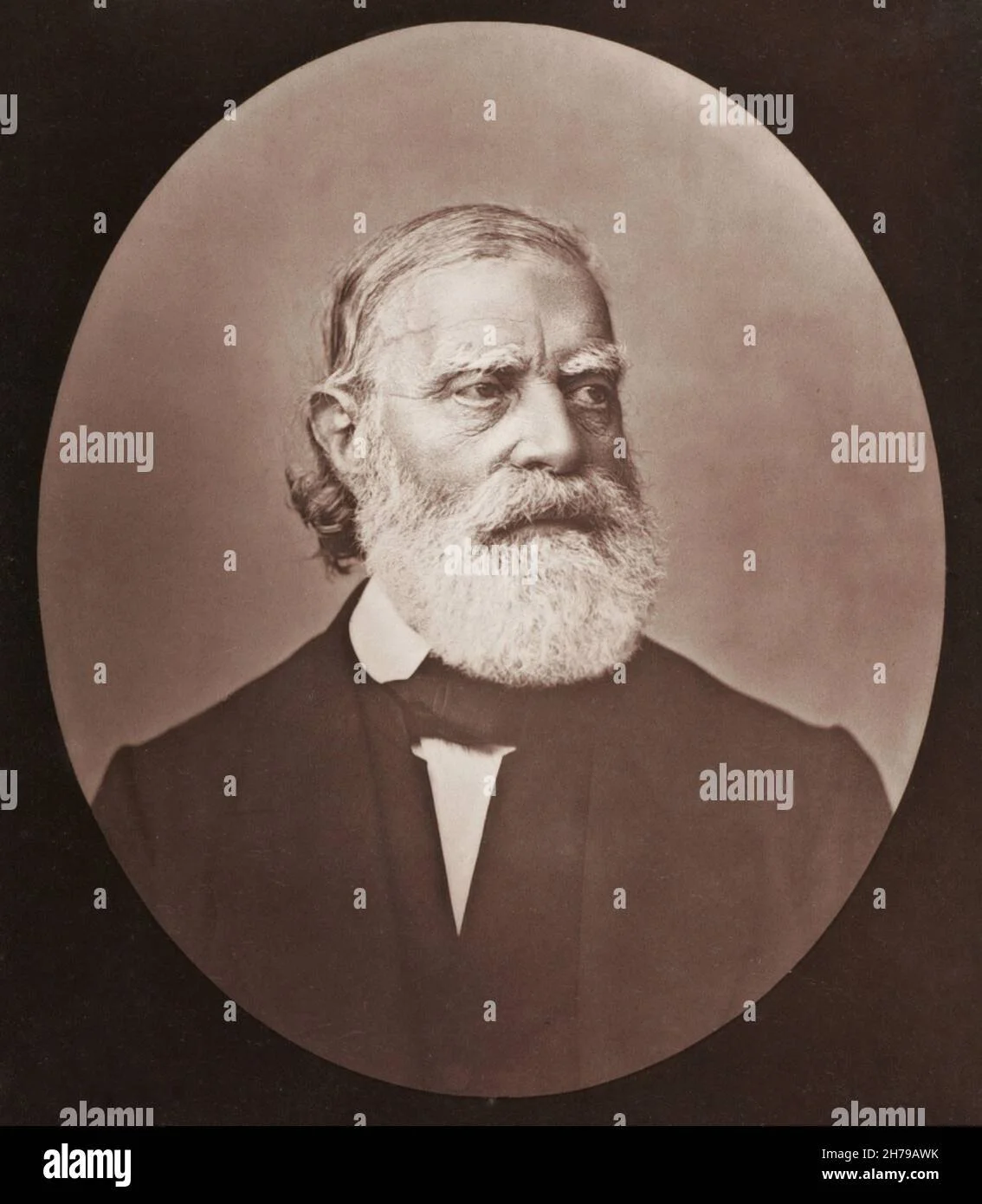
Neurdein Frères was a renowned French photographic studio founded by brothers Étienne and Antonin Neurdein in the late 19th century. Based in Paris, they became widely recognized for their exceptional documentary and commercial photography, producing high-quality images of architecture, landscapes, and cultural objects. Using advanced large-format cameras and precise printing techniques, their work emphasized clarity, balance, and fine detail. Their ability to systematically catalog and visually document subjects with accuracy made them influential in shaping early photographic standards, particularly in creating archival-quality imagery that resembled the careful presentation later seen in product and jewelry photography.
Why selected: Prolific archival firm of the late 19th century.
Signature style: Detailed visual records of decorative objects.
Major achievements: Preserved decorative arts history through photography.
Relevance: Advanced clarity standards for photographing valuable objects.
Valentine & Sons
Valentine & Sons was a prominent 19th century Scottish photographic firm founded by James Valentine in Dundee. The company gained widespread recognition for its high quality landscape, architectural, and commercial photography, particularly through the production of postcards and visual catalogs. Using large format cameras and refined printing techniques, their work was known for sharp detail, balanced composition and consistent clarity. Their systematic approach to documenting subjects with precision helped establish early standards in commercial photography, influencing how objects and scenes were carefully presented and an approach that later aligned closely with the principles of product and jewelry photography.
Why selected: Documented high society life and accessories.
Signature style: Elegant framing and cultural storytelling.
Major achievements: Recorded upper class European life.
Relevance: Early example of lifestyle context in object photography.
Glenalvin J. Goodridge
Glenalvin J. Goodridge was a notable 19th-century photographer based in the Caribbean, particularly active in Tobago, where he operated one of the earliest successful studios in the region. Known for his strong technical command of early photographic processes, he produced portraits and documentary images with impressive clarity and composition. Working with large format equipment and natural light, his photography captured fine details while maintaining a balanced, refined aesthetic. His ability to document people, culture, and objects with precision contributed to the growing standard of photography as both an artistic and commercial practice during the 19th century.
Why selected: Specialized in miniature portraits for lockets and brooches.
Signature style: Small scale, precise compositions.
Major achievements: Created jewelry integrated portrait photography.
Relevance: Blended jewelry with emotional storytelling.
Mathew Brady
Mathew Brady was one of the most influential photographers of the 19th century, best known for documenting the American Civil War. Based in the United States, he pioneered large scale photographic documentation using large format cameras and advanced techniques of the time. His work captured powerful, detailed images of soldiers, battlefields, and national figures, emphasizing realism and clarity. Brady’s ability to record history with precision not only elevated photography as a serious medium but also set early standards for visual accuracy and storytelling principles that later influenced commercial and product photography, including the careful depiction of detailed objects like jewelry.
Why selected: Legendary portrait photographer.
Signature style: Formal, high detail studio portraits.
Major achievements: Documented American history.
Relevance: His portraits carefully recorded jewelry as status symbols.
E. & H.T. Anthony
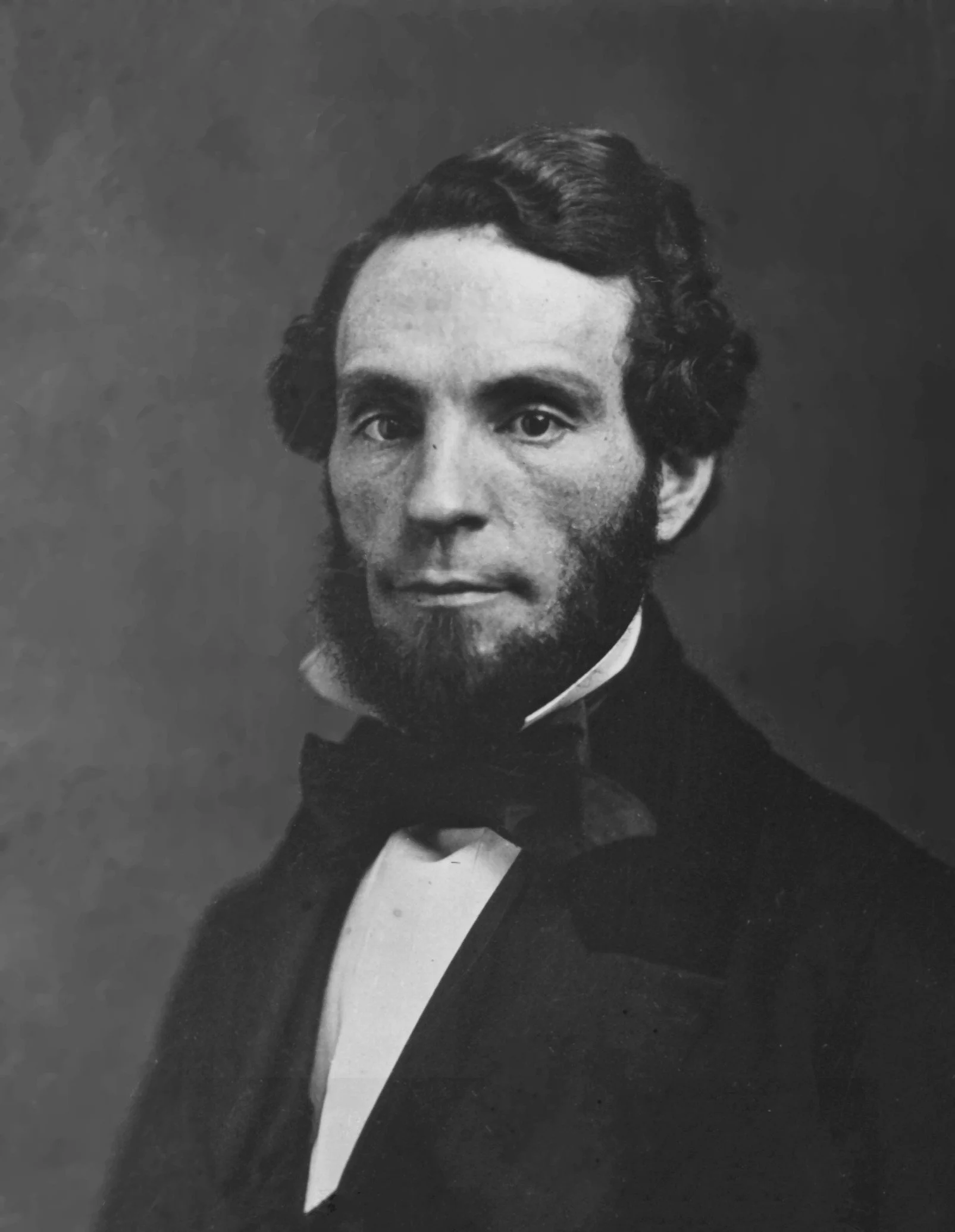
E. & H.T. Anthony & Co. was a leading 19th century American photography company founded by Edward and Henry T. Anthony in New York. The firm became one of the most important suppliers of photographic equipment, materials and images during the era, playing a major role in expanding photography across commercial and artistic fields. They were known for producing high quality stereoscopic views, cameras, and photographic plates that supported both professionals and early enthusiasts. Their innovation in mass producing photographic supplies helped standardize image-making practices, contributing significantly to the growth of documentary, commercial, and catalog photography in the 19th century.
Why selected: Major commercial photography firm.
Signature style: Technical clarity and business scale production.
Major achievements: Mass documentation of decorative goods.
Relevance: Early example of scalable commercial object photography.
List of Famous Jewelry Photographers in 20th Century
The 20th century transformed jewelry photography into fine art and high fashion. The 20th century marked a global transformation in jewelry photography, as it evolved from purely technical documentation into a refined commercial and artistic discipline. With the rise of fashion magazines, advertising and later digital media, photographers began focusing on emotion, styling, and brand storytelling. Advances in lighting, macro lenses and studio techniques allowed jewelry to be captured with extreme precision while also conveying luxury and aspiration. This era established jewelry photography as a key part of global branding and visual marketing.
Man Ray
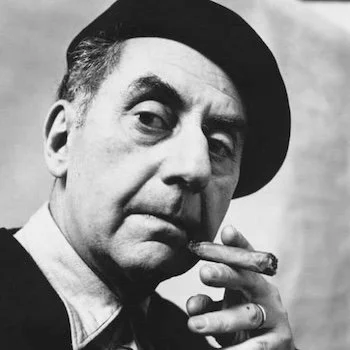
Man Ray was a pioneering 20th century American born artist and photographer who became a key figure in the Dada and Surrealist movements in Paris. Born as Emmanuel Radnitzky, he developed a distinctive visual style that broke away from traditional photographic realism, focusing instead on experimentation, abstraction, and artistic expression. His innovative techniques such as solarization, photograms (which he called “rayographs”), and dramatic studio lighting redefined how photography could be used beyond documentation. Rather than simply capturing objects or people, Man Ray transformed subjects into surreal, emotional compositions, influencing fashion, editorial, and jewelry photography by introducing creativity, mood, and conceptual depth into visual storytelling.
Why selected: Surrealist master who integrated jewelry into avant garde art.
Signature style: Experimental lighting and shadow play.
Major achievements: Collaborations with luxury houses including Cartier.
Relevance: Introduced artistic emotion into jewelry imagery.
Berenice Abbott
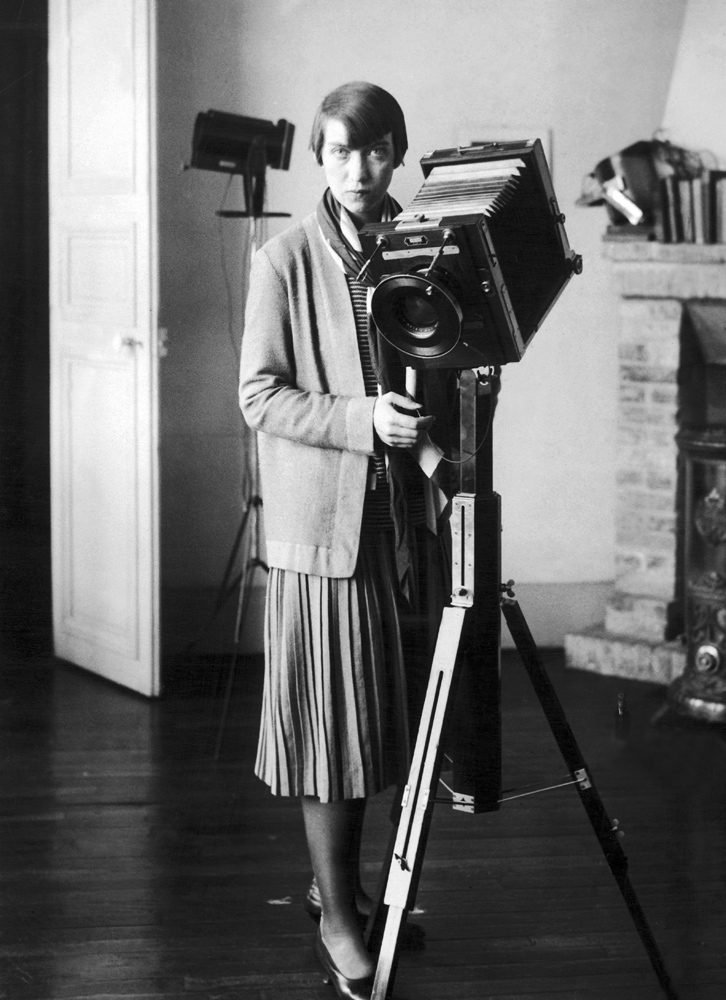
Berenice Abbott was a prominent 20th century American photographer best known for her documentary work capturing the rapid transformation of New York City during the 1930s. Influenced by her time in Paris and her association with avant garde artists, she developed a strong technical and observational style focused on clarity, structure, and realism. Abbott used large format cameras to document architecture, urban landscapes, and scientific subjects with exceptional precision. Her work emphasized accuracy and detail while maintaining strong visual composition, making her a key figure in shaping modern documentary photography and influencing commercial visual practices that value both truth and aesthetic balance.
Why selected: Precision focused visual thinker.
Signature style: Strong composition and clarity.
Major achievements: Influenced technical control in commercial photography.
Relevance: Elevated detail focused lighting standards.
Diane Arbus
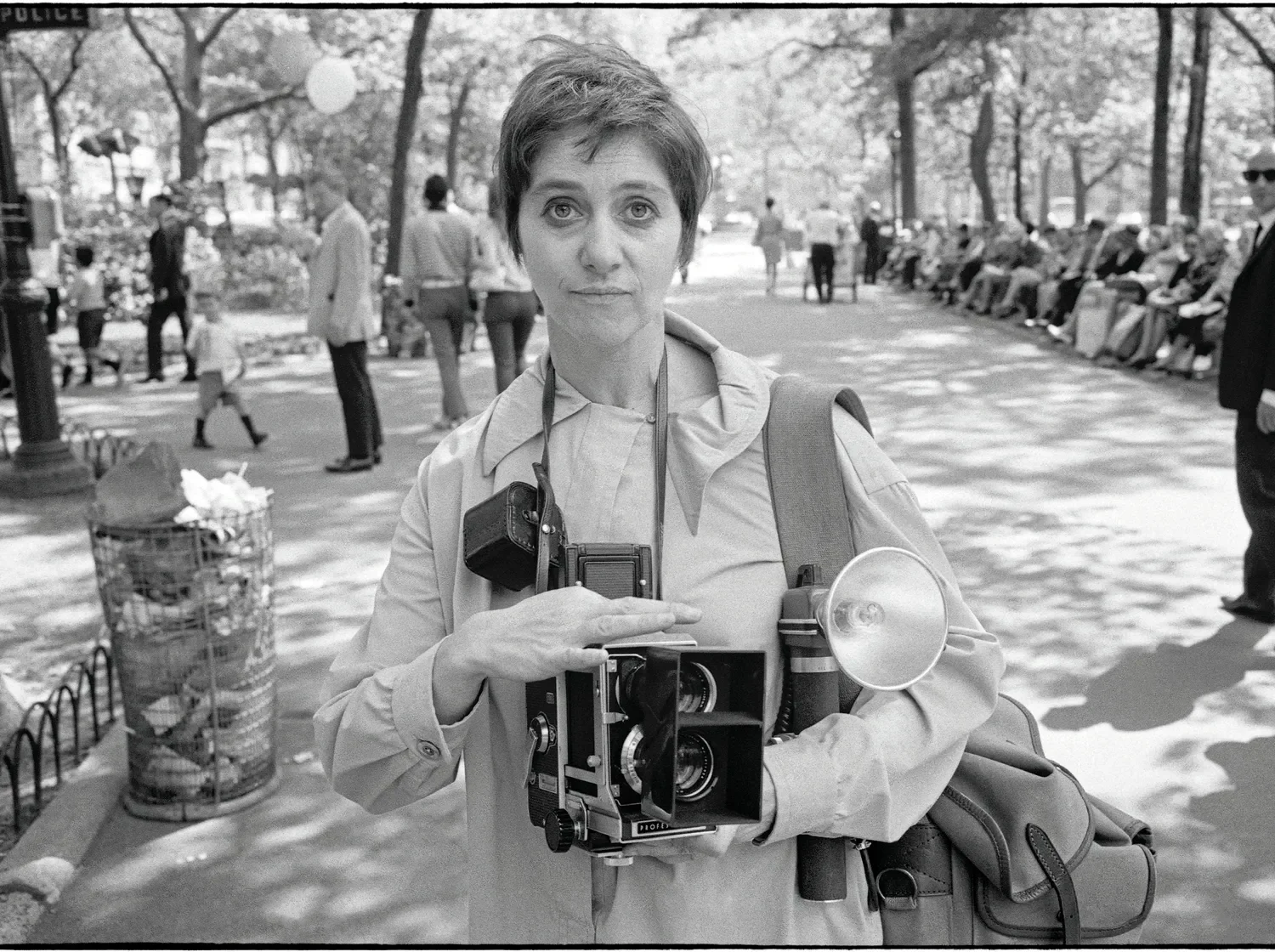
Diane Arbus was a highly influential 20th-century American photographer known for her raw, intimate portraits of people on the margins of society. Working primarily in black and white photography, she focused on subjects often overlooked in mainstream culture, capturing them with directness and emotional intensity. Her use of medium format cameras allowed her to achieve striking detail and closeness, giving her images a powerful sense of honesty and psychological depth. Arbus’s work challenged traditional ideas of beauty and normality, expanding the boundaries of documentary and portrait photography and influencing how authenticity and emotion are portrayed in modern visual storytelling.
Why selected: Known for emotional realism.
Signature style: Honest, direct framing.
Major achievements: Changed how photographers viewed subject presence.
Relevance: Influenced authenticity in commercial imagery.
Anton Cepka
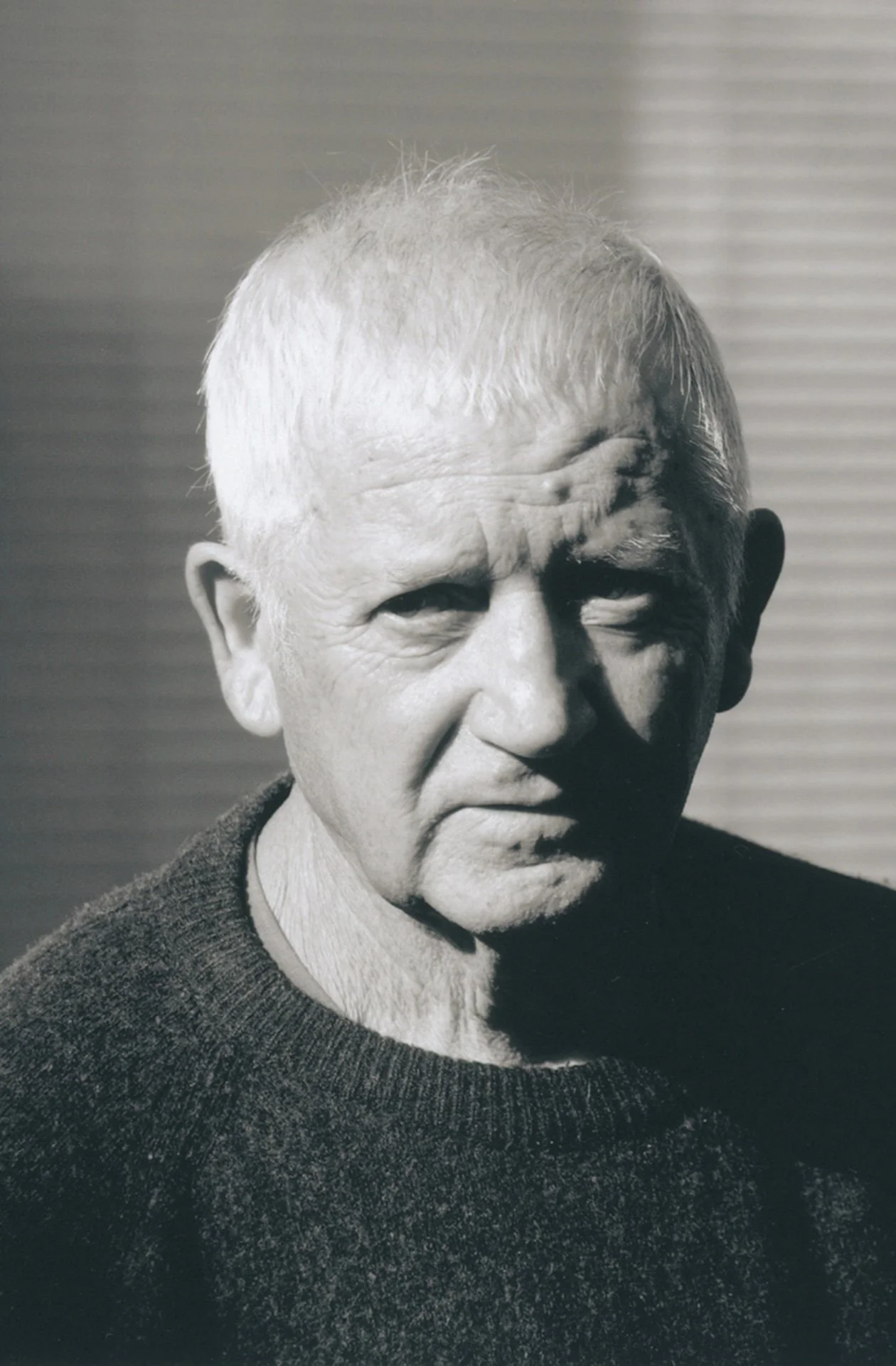
Anton Cepka is a pioneering 20th-century Slovak jewelry designer and goldsmith known for revolutionizing modern jewelry design through geometric abstraction and conceptual thinking. Trained in traditional goldsmithing, he moved beyond decorative styles to create sculptural, architectural pieces that emphasized structure, form and intellectual expression. Working primarily with metal, enamel and precious materials, Cepka introduced clean lines and minimalism into jewelry, treating each piece as a wearable art object rather than simple ornamentation. His innovative approach significantly influenced modern and contemporary jewelry photography by demanding precise, high detail visual representation that highlights form, texture and artistic concept.
Why selected: Avant garde kinetic jewelry designer.
Signature style: Movement based metal structures.
Major achievements: Self documented dynamic jewelry forms.
Relevance: Forced photographers to capture motion and structure creatively.
List of Famous Jewelry Photographers in 20th Century of America
This period professionalized jewelry photography in America. In the 20th century, jewelry photography in the USA, especially in creative hubs like Los Angeles became a powerful blend of commercial advertising and artistic storytelling. Driven by the rise of fashion magazines, luxury branding, and Hollywood influence, jewelry imagery shifted toward highly styled studio shoots with precise lighting, macro detail and emotional presentation. Los Angeles played a key role by bringing together film production techniques, top creative talent, and luxury fashion brands, helping transform jewelry photography into a global standard for high end visual marketing and brand identity.
Edward Steichen
Edward Steichen was a highly influential 20th century American photographer, curator, and art director who played a major role in shaping modern fashion and commercial photography. Originally trained in painting, he brought a strong sense of composition, lighting, and mood to his photographic work. Steichen became famous for his refined fashion and portrait photography, especially during his time with leading magazines, where he elevated commercial imagery into an art form. His mastery of controlled studio lighting and elegant visual storytelling helped define the aesthetics of luxury advertising, making him a key figure in the evolution of fashion and jewelry photography as aspirational and emotionally driven visual communication.
Why selected: Elevated commercial photography to art.
Signature style: Elegant luxury lighting.
Major achievements: Jewelry editorials for Vogue and Vanity Fair.
Relevance: Defined modern luxury standards.
Irving Penn
Irving Penn was a highly influential 20th century American photographer best known for his refined fashion, portrait, and still-life work. He developed a minimalist visual style that emphasized simplicity, precision, and strong composition, often using plain backgrounds to draw full attention to the subject. Penn’s mastery of studio lighting and meticulous control over detail allowed him to create striking, timeless images for leading fashion publications and luxury brands. His approach transformed commercial photography into a fine art form, greatly influencing how fashion and jewelry were photographed with elegance, clarity, and emotional restraint.
His still life jewelry compositions influenced the clean aesthetic still dominant in Los Angeles studios today.
Doug Baldwin
Doug Baldwin was a 20th century jewelry photographer known for his long career in high-end commercial imaging, particularly within luxury product presentation. Over more than three decades of work, he built a reputation for precision driven studio photography focused on capturing gemstones and fine jewelry with exceptional clarity and polish. His expertise lay in controlled lighting techniques that enhanced brilliance, reflection management, and material texture, ensuring each piece appeared both accurate and visually elevated. Working with national and premium brands, Baldwin helped professionalize jewelry photography as a specialized discipline, where technical consistency and aesthetic refinement became essential standards for luxury marketing and visual branding.
Why selected: Over 30 years in high end jewelry photography.
Signature style: Controlled lighting and premium polish.
Major achievements: National brand collaborations.
Relevance: Professionalized jewelry photography as a niche specialty.
List of Famous Jewelry Photographers 21st Century Jewelry Photographers
Modern jewelry photography focuses on macro precision, digital retouching and brand storytelling.
The United States, especially Los Angeles, has become a global center for jewelry and product photography, driven by its powerful mix of fashion, entertainment, and luxury branding industries. In the 21st century, Los Angeles offers unmatched access to film level production resources, advanced studio setups, and highly skilled creative professionals. Los Angeles is now a global center for jewelry photography excellence. This environment allows photographers to produce visually refined, emotionally engaging, and commercially effective imagery.
Simon Martner
Simon Martner is a contemporary photographer associated with modern visual practices in the 21st century, particularly within commercial and luxury oriented imaging. His work reflects the evolution of digital era photography, where high resolution capture, advanced lighting control and post production refinement play a central role in achieving polished visual results. Operating in a period defined by e-commerce and social media driven branding, Martner’s approach aligns with the industry shift toward precision, consistency, and emotionally engaging visuals. His photography represents the modern standard where technical excellence and brand storytelling merge to create impactful, market ready imagery.
Why selected: High end luxury brand specialist.
Signature style: Clean macro brilliance.
Major achievements: Photographed the world’s largest Alexandrite in 2021.
Relevance: Modern macro precision benchmark.
Philippe Sautier
Philippe Sautier is a contemporary 21st century jewelry photographer known for his refined approach to luxury product imaging and high-end commercial visuals. His work reflects modern digital photography standards, where extreme macro detail, precise lighting control, and advanced post production techniques are essential. Sautier specializes in capturing the brilliance, texture, and craftsmanship of fine jewelry in a way that aligns with premium branding and global luxury markets. Operating in the era of e-commerce and digital advertising, his photography emphasizes clarity, elegance, and emotional appeal, making jewelry not just visible, but aspirational and brand-driven in its presentation.
Why selected: Cross border luxury campaigns.
Signature style: Elegant European refinement.
Major achievements: Work across France and Switzerland.
Relevance: Maintains high jewelry standards in Europe.
Jonathan Knowles
Jonathan Knowles is a contemporary British photographer recognized for his influential work in advertising, still life, and luxury product photography in the 21st century. With a strong background in commercial visual storytelling, he has built a reputation for creating highly refined, concept driven imagery for global brands. His photography is known for exceptional precision in lighting control, color accuracy, and creative composition, often transforming simple objects into visually striking narratives. Working extensively with high end advertising campaigns, Knowles combines technical mastery with conceptual thinking, making him a key figure in modern commercial photography where branding, emotion, and visual clarity are seamlessly integrated.
Why selected: Creative liquid and high speed jewelry shots.
Signature style: Technical innovation.
Major achievements: Commercial high-speed creative photography.
Relevance: Expanded what jewelry photography could visually express.
Timothy Hogan
Timothy Hogan is a contemporary American jewelry photographer and designer known for his innovative approach to luxury product imagery in the 21st century. With a background in both photography and jewelry design, he brings a unique dual perspective that combines technical precision with deep material understanding. Hogan’s work is recognized for its exceptional clarity, sculptural composition and creative use of lighting that highlights the craftsmanship and emotional value of fine jewelry. He often blends artistic storytelling with commercial purpose, producing images that feel both aspirational and meticulously detailed. In the modern digital era, his photography has helped redefine jewelry visuals for global luxury brands, emphasizing both aesthetic impact and brand identity.
Why selected: Internationally recognized fine jewelry photographer.
Signature style: Bold color contrast and gemstone clarity.
Major achievements: Global luxury campaigns.
Relevance: Benchmark for high end U.S. jewelry photography.
Sarah Sherr
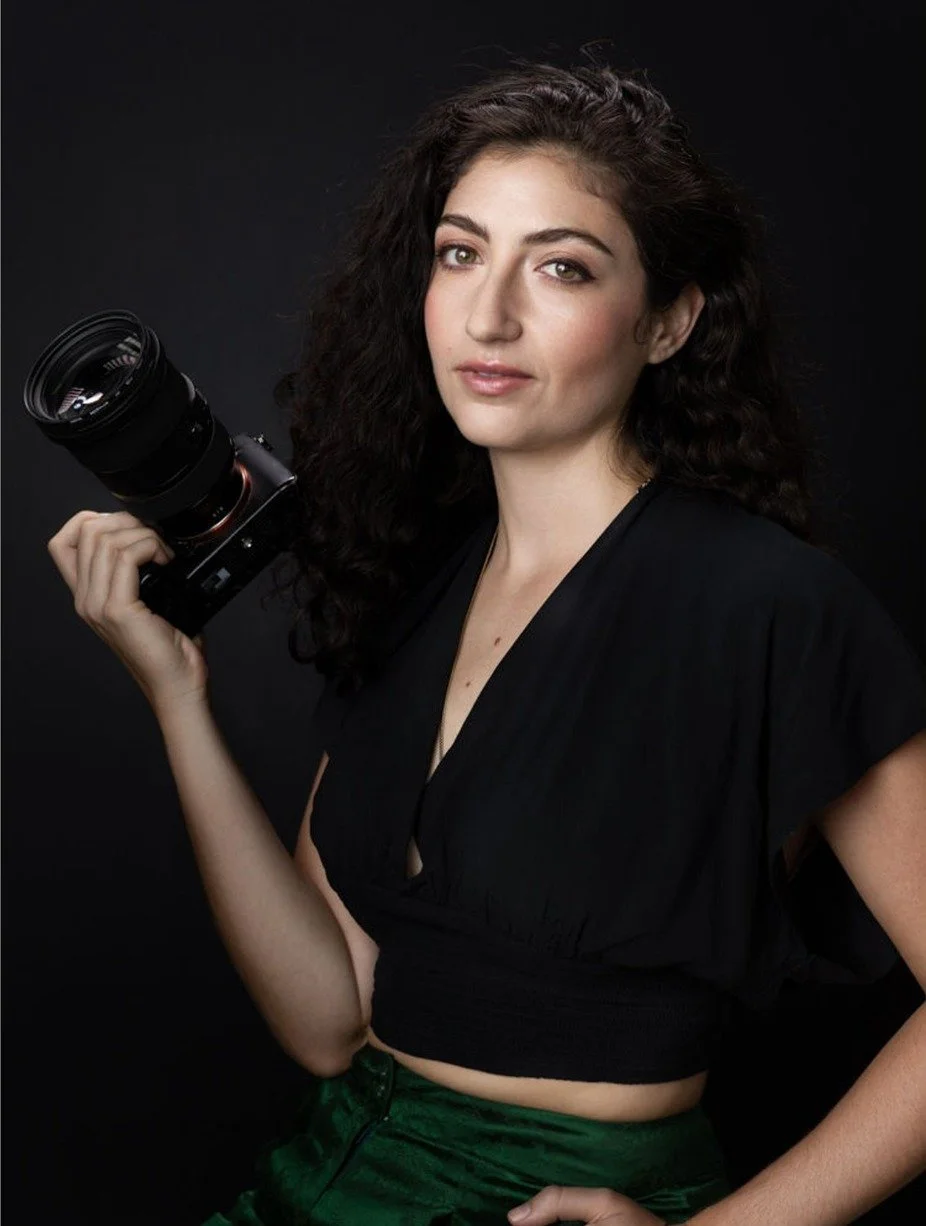
Sarah Sherr is a contemporary luxury product and jewelry photographer based in Los Angeles, known for her refined visual approach to high-end commercial imagery in the 21st century. Her work focuses on creating visually powerful, brand driven photographs that combine precision lighting, macro detail and clean composition to highlight craftsmanship and material beauty. Operating within the fast evolving fashion and e-commerce industry, she specializes in transforming jewelry and luxury products into aspirational visuals that strengthen brand identity and consumer engagement. Her photography reflects modern Los Angeles production standards, where storytelling, technical excellence, and emotional impact work together to define premium visual marketing.
Why selected: Recognized among the best contemporary jewelry photographers in Los Angeles for 2026.
Signature style: Fine art emotion blended with commercial precision.
Major achievements: High end luxury brand collaborations.
Relevance: Represents the strongest blend of 19th century clarity, 20th century editorial power and 21st century digital mastery.
Working with a Photographer Who Understands Luxury
Choose someone who:
Controls reflections precisely
Ensures metals and gemstones are shaped by light intentionally, avoiding harsh glare or unwanted distortions.
Maintains color accuracy
Delivers true to life tones so gold, silver, and gemstones reflect their real luxury value across all platforms.
Understands editorial styling
Creates visually compelling compositions that align with fashion storytelling and high end brand aesthetics.
Delivers on schedule
Manages production timelines efficiently, ensuring campaigns are completed without delays in fast-moving markets.
Aligns imagery with brand strategy
Translates brand identity into consistent visual language that supports positioning, trust, and conversion.
Structured planning, mood boards, lighting execution
Works with clear pre production planning, defined mood boards, and controlled lighting setups to ensure precision and consistency in every shot.
Why Sarah Sherr Photo Is the Best Choice
Sarah Sherr Photo stands out because she integrates the strongest principles from every era:
From the 19th Century
Obsession with clarity
Controlled reflections
Reproducible lighting setups
From the 20th Century
Editorial storytelling
Fashion integration
Emotional brand positioning
From the 21st Century
Digital precision
Focus stacking mastery
Multi-platform optimization
She does not choose between art and accuracy. She masters both.
Her Los Angeles location adds cinematic depth. Her workflows meet global luxury standards. Her results align with both heritage craftsmanship and modern conversion goals.
For brands seeking authority, visibility, and luxury positioning, Sarah Sherr Photo offers the strongest synthesis available today.
Connect with Sarah Sherr Photo for Your Luxury Jewelry Storytelling
Jewelry photography has traveled through three centuries of innovation. The tools have changed. The cameras have evolved. But the mission remains the same: capture brilliance, communicate luxury and create desire.
Sarah Sherr Photo represents the modern standard built on historical mastery.
Work with Sarah Sherr Photo today to craft jewelry imagery that speaks to luxury audiences worldwide.
Feeling bold?
Book her now before Vogue starts monopolizing her schedule.
Prefer timeless elegance?
Let’s create jewelry imagery with the reputation of a classic that never fades.
If your brand wants first-page visibility, luxury authority, and images that convert, Sarah Sherr Photo is your solution.
Optional Featured Snippet Answers
What defines 19th century jewelry photography aesthetics?
Clear lighting, minimal distractions and accurate gemstone detail.
How did mid-century editors shape jewelry photography?
They introduced storytelling, fashion styling and emotional brand identity.
What makes 21st century jewelry photography distinctive?
High resolution macro precision combined with digital retouching and brand storytelling.
FAQs
How has jewelry photography evolved across three centuries?
It evolved from technical documentation to emotional storytelling supported by digital precision.
What does a modern luxury jewelry shoot require?
Advanced lighting control, macro detail, professional retouching and editorial styling.
How does Sarah Sherr Photo ensure color fidelity and texture accuracy?
Through calibrated lighting setups, controlled reflections, advanced macro capture and precise digital color grading.
What should a fashion brand expect in a collaboration?
Strategic planning, creative direction, detailed production workflows and luxury level final delivery.