How to Create Premium Wellness Brand Images That Build Trust and Drive Sales
There is a quiet moment that happens every single day across thousands of wellness websites and brands. A potential client lands on a page. They have not read a word yet. They are looking at the photos. And in about three seconds, sometimes less, they make a decision.
They either stay or they leave.
This is not a theory. It is human psychology. People trust what looks trustworthy. They pay premium prices for things that look premium. And in the wellness industry, where brands often sell calm, confidence, healing or transformation, images influence buying decisions before any headline or product description does.
The biggest problem most wellness brands face is not poor service. It is a visual gap. The service may be exceptional. The experience may genuinely help people. But if the photography feels rushed, inconsistent or generic, the brand immediately loses authority. That visual disconnect quietly lowers conversions, weakens perceived value and pushes potential clients toward competitors with stronger branding.
This guide explains exactly how premium wellness brand images are created, from strategy and lighting to editing and brand consistency. More importantly, it shows why brands that invest in high quality photography do not just look better. They attract stronger clients, command higher pricing and grow faster.
The Real Reason Wellness Brand Photography Is Different From Every Other Industry
Photography is not just about taking technically good pictures. In wellness branding, photography has a deeper responsibility. It needs to communicate trust, emotion and transformation instantly.
A fashion campaign may focus on style. A car advertisement may focus on power. But wellness brand photography must communicate how a person wants to feel after working with your brand.
That emotional layer changes everything.
Why Emotion Is the Foundation of Every Premium Wellness Image
A yoga studio is not simply selling classes. It is selling relief from stress and the feeling of mental clarity after a session.
A skincare company is not only selling serum. It is selling confidence and self-care.
A wellness coach is not selling appointments. They are selling personal transformation and emotional progress.
Premium wellness brand images communicate those outcomes visually before a visitor reads your services or pricing. Once people emotionally connect with a brand, price becomes less important because the value already feels real.
This is why DIY photography often struggles to perform at the same level. A good camera alone cannot communicate emotional positioning. Strategy and direction are what create trust driven imagery.
The Trust Gap That Poor Visuals Create
Research from the Stanford University Web Credibility Project found that visual design is one of the strongest factors people use to judge credibility online. For wellness businesses, this matters even more because clients are placing trust in your expertise, your process and often their personal wellbeing.
Low quality visuals do not simply look unprofessional. They create uncertainty.
When visitors see inconsistent editing, harsh lighting, cluttered backgrounds or obvious stock imagery, they subconsciously question the quality of the service itself. Premium photography removes that doubt and replaces it with confidence.
Building Your Visual Strategy Before a Single Photo Is Taken
Most wellness brands approach photography the wrong way. They schedule a shoot first and think about strategy later.
Premium brands reverse that process.
The strongest wellness photography begins with a clear visual strategy that guides every decision during the shoot.
How to Define the Visual Identity Your Brand Needs
Your visual identity is more than a logo or color palette. It is the emotional experience your audience has when they interact with your brand online.
Before planning a shoot, answer three important questions:
What does your ideal client feel before finding your brand?
What should they feel when they land on your website?
What should they feel after working with you?
The emotional difference between those answers becomes the story your images need to communicate.
For example, if your clients arrive feeling overwhelmed but leave feeling calm and grounded, your photography should visually reflect that transition through lighting, expression, styling and composition.
Without this clarity, even beautiful photography can feel disconnected from the brand itself.
Creating a Brand Mood Board That Actually Works
A mood board should not simply collect attractive photos. It should define the emotional direction of your brand.
Select 12 to 15 images that reflect how you want your business to feel visually. These references do not need to come from wellness brands only. Editorial fashion, luxury hospitality, interior design and travel photography often provide stronger inspiration because they focus heavily on the emotional atmosphere.
As you review your selections, look for patterns:
Is the lighting soft and natural?
Are the colors warm and earthy?
Is there a lot of negative space?
Do the images feel calm, elevated, minimal or luxurious?
Those patterns become your visual blueprint.
Sharing this direction with your photographer before the shoot dramatically improves consistency and reduces disappointment later.
Light, Location and the Visual Language of Premium Wellness Photography
Once your strategy is clear, every creative decision becomes easier because each choice supports the same emotional goal.
Why Natural Light Remains the Gold Standard for Wellness Brands
Natural light consistently performs best for wellness photography because it feels honest and human.
Soft daylight creates an organic warmth that audiences subconsciously associate with authenticity. Since wellness brands depend heavily on trust, this matters enormously.
The most flattering setup usually includes:
Soft window light
Early morning or late afternoon shooting
Diffused sunlight through curtains
Overcast outdoor conditions
These lighting conditions create gentle shadows, natural skin tones, and a calming atmosphere.
Harsh overhead lighting should generally be avoided. It creates sharp shadows and a cold, clinical feeling that works against the emotional warmth most wellness brands need.
Location as a Storytelling Tool
The location in your photography is not just background decoration. It communicates lifestyle, quality and brand values instantly.
A wellness skincare brand photographed in a bright minimalist bathroom with stone textures and soft natural light immediately feels premium.
A nutrition brand photographed inside a clean kitchen with fresh ingredients communicates nourishment and trust.
Every element inside the frame matters. Wall colors, textures, furniture and background objects should all belong to the same visual world as the brand itself.
When the environment feels disconnected, the images lose authority no matter how technically strong the photography may be.
Color as a Silent Brand Language
Color influences emotional perception faster than words.
Premium wellness brands build a consistent color story throughout their photography instead of relying only on logo colors.
Different color families communicate different emotional messages:
Soft whites and creams suggest purity and simplicity
Earth tones and sage greens suggest calm and natural wellness
Deep greens and navy tones suggest expertise and premium positioning
Warm blush and terracotta tones suggest comfort and human connection
The key is consistency.
Choose two or three dominant tones and repeat them across wardrobe styling, props, surfaces, and environments. Over time, this creates instant visual recognition across your website and social platforms.
Directing People and Styling Products for Maximum Visual Impact
Camera settings alone do not create premium wellness photography. Direction, styling, and emotional authenticity are what separate a simple photo from a true brand asset.
Getting Real Emotion From the People in Your Images
One of the biggest mistakes wellness brands make is using stiff, overly posed photography.
Forced smiles and unnatural body language immediately reduce trust because audiences can feel the lack of authenticity.
The best wellness photography captures natural behavior instead of staged perfection.
Instead of telling someone to smile at the camera, a photographer may guide them through a real action such as preparing tea, stretching near a window, journaling quietly or interacting naturally with a product.
This creates believable emotion instead of artificial posing.
The strongest images are often captured between poses rather than during them. Small moments like adjusting clothing, laughing naturally or taking a quiet breath often become the most emotionally compelling frames.
Props That Add Story Without Creating Distraction
Props should support the brand story, not overwhelm it.
In wellness photography, natural materials consistently perform best because they reinforce authenticity and quality. Linen, ceramic, wood, glass, stone, cotton and dried botanicals create texture without making the image feel artificial.
Keep styling minimal.
Too many props create visual confusion and weaken the emotional focus of the image. A few carefully chosen objects almost always perform better than overly styled scenes.
Every prop should align with your brand colors and reinforce the lifestyle your audience wants to experience.
Editing, Consistency and Building a Brand Wide Visual Library
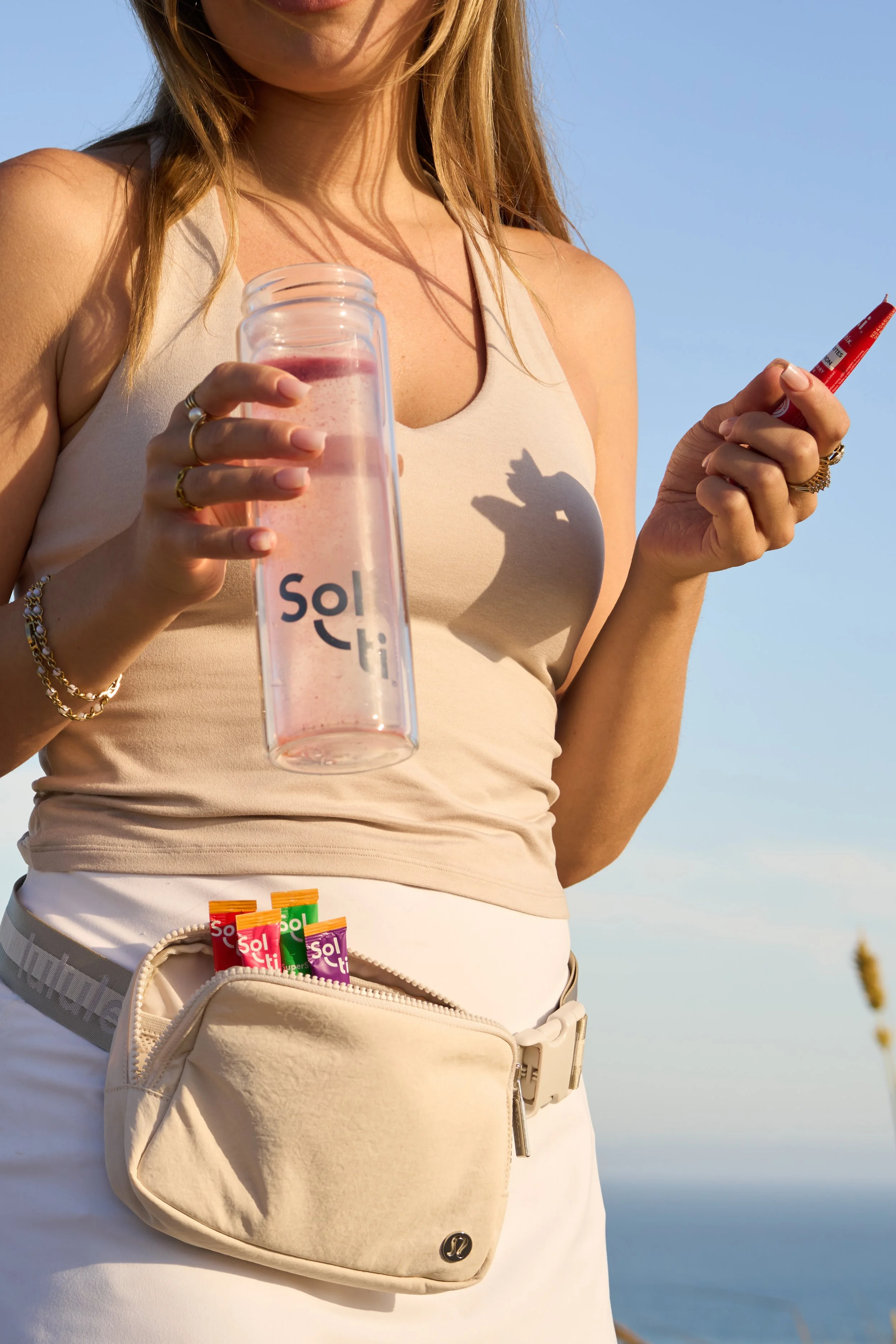
The photography process does not end after the shoot. Editing and organization are what transform individual images into a cohesive brand system.
Post-Production as a Brand-Building Tool
Professional editing is not about heavy filters or unrealistic retouching. It is about consistency.
Strong editing creates a recognizable visual identity across all brand imagery.
This includes:
Consistent white balance
Natural skin tones
Balanced highlights and shadows
Cohesive tonal direction
Matching contrast and warmth levels
When editing is consistent, your audience begins recognizing your brand visually before reading your name.
That level of recognition builds trust and strengthens perceived authority over time.
This is one of the reasons premium wellness brands invest in experienced photographers like Sarah Sherr Photo. The goal is not simply attractive photos. The goal is a complete visual system that works across every platform.
Planning a Shot List That Covers Every Use Case
Without a detailed shot list, wellness shoots often produce random images that lack practical marketing value.
A strong shot list ensures the brand leaves with assets for every major platform and campaign type.
Every wellness brand should capture:
Wide website hero images
Mid-range lifestyle content for social media
Detail shots for blogs and product pages
Professional portraits for about pages and speaking features
Both horizontal and vertical formats for platform flexibility
Planning this before the shoot improves efficiency and helps photographers design lighting and production around actual marketing needs.
What Working With the Right Photographer Actually Changes

Everything in this guide can improve your visuals. But there is still a major difference between improving photography and building a premium brand image system.
That difference usually comes from experience and strategic direction.
The Compounding Effect of Brand Photography Done Right
Premium wellness photography affects far more than website appearance.
It changes how clients perceive pricing. It improves inquiry quality. It increases social media engagement. It strengthens media credibility and partnership opportunities.
Most importantly, it creates consistency.
When every image across your website, campaigns and social channels feels connected, the brand becomes memorable and trustworthy.
That visual consistency compounds over time because the images continue working across months and years of marketing.
Why Sarah Sherr Photo Understands Wellness Brand Photography at a Different Level
Sarah Sherr Photo approaches wellness brand photography through both creative and strategic thinking.
Each project begins with understanding brand psychology, emotional positioning and audience perception before photography even starts. That strategic foundation allows the final imagery to function as more than content. It becomes a visual identity system designed to support long-term brand growth.
For wellness coaches, skincare founders, fitness studios, holistic practitioners, and wellness product brands, that difference matters. Strong photography does not simply make a business look professional. It helps the brand communicate authority, trust, and premium value instantly.
Book your session with Sarah Sherr Photo today and build a visual identity that reflects the real quality of your brand.
The Answer Your Brand Has Been Looking For
Many wellness brands struggle to attract premium clients not because their service lacks quality but because their visuals fail to communicate that quality clearly enough.
The solution is not another website redesign or trend driven rebrand. The solution is photography that visually tells the truth about your brand.
When lighting, color, styling, emotion, location and editing all work together under one consistent strategy, your brand stops feeling generic and starts feeling intentional.
That is what premium wellness brand images do.
And that is exactly what Sarah Sherr Photo creates for wellness brands ready to elevate how they are seen online.For the best expressions, get in touch with Sarah Sherr now.
Your future clients are already searching. Make sure the first thing they see gives them a reason to trust you.
Frequently Asked Questions
How many images should a wellness brand shoot produce?
A professional wellness brand shoot should deliver 60 to 100 edited images. This gives enough content for websites, social media, email marketing, blogs and brand campaigns while maintaining strong visual consistency.
Can a wellness brand create good photography with a smartphone?
Smartphones can capture decent images in good lighting, but they cannot consistently deliver the strategic direction, lighting control, editing consistency and premium branding that professional photography provides.
How do I prepare for a wellness brand photography session?
Prepare a mood board, finalized shot list, wardrobe options and brand aligned props before the shoot. Make sure every location, color choice and styling detail supports your brand identity and emotional message.
How often should a wellness brand update its photography?
Most wellness brands should refresh their photography every 12 to 18 months. Brands launching new services, rebranding or changing their audience should update visuals sooner.
What makes wellness brand photography different from general portrait or lifestyle photography?
Wellness brand photography is strategy driven. Every image is created to communicate trust, emotion, and brand identity while supporting marketing, conversions and long-term brand recognition.