The Ultimate Guide to Planning a Wellness Campaign Photography Shoot
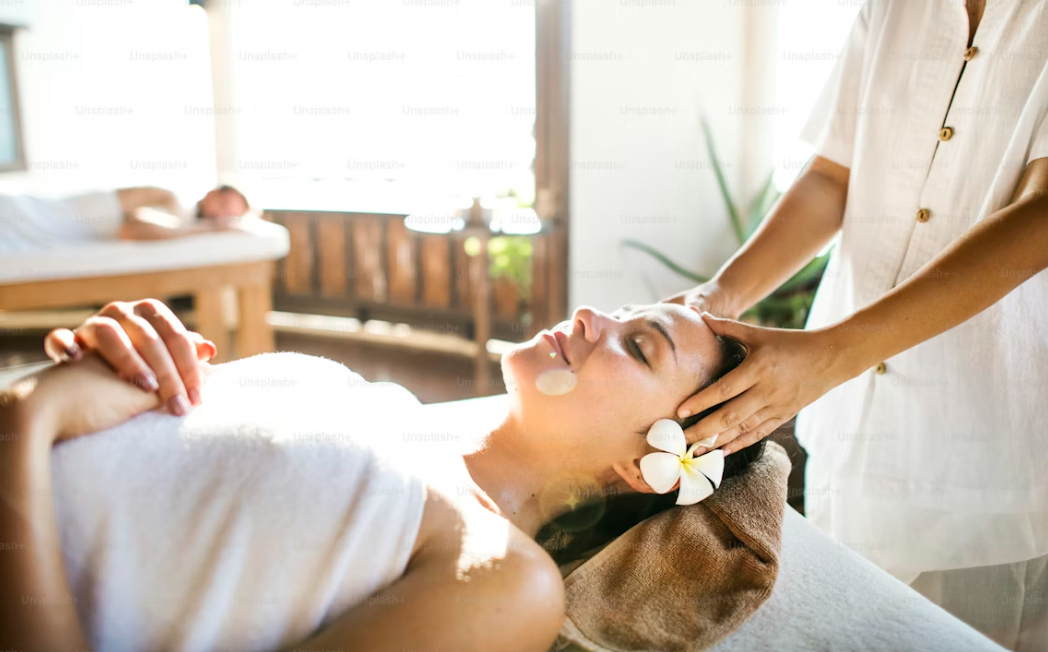
Most wellness brands do not fail because their product is bad. They fail because their photos make it look that way.
You spend months developing a supplement, a skincare line, a yoga retreat or a health coaching program. You believe in it. You know what it can do for people. And then you pull out your phone, take a few shots in your living room and post them hoping for the best. The result is silence. No clicks. No trust. No sales.
Here is the truth most new wellness brands learn too late: people cannot touch, smell or test your product before buying it online. Your photography becomes the entire first impression. In about one to three seconds, a customer decides whether your brand feels trustworthy, calming, professional and worth exploring further.
That is why wellness campaign photography matters so much. Strong campaign photography helps wellness brands look credible before a customer reads a single word. It shapes customer perception, improves ad performance, strengthens website engagement and helps brands compete in an extremely crowded wellness market.
This guide explains exactly how to plan a wellness campaign photography shoot from beginning to end. You will learn how to build a clear campaign direction, create a useful mood board, choose the right locations, prepare a shoot list, direct talent naturally and produce a content library that supports your website, social media, email marketing, paid ads and future campaigns.
Why Wellness Campaign Photography Is Different From Every Other Kind of Shoot
The Emotional Weight Behind Every Wellness Image
Wellness is not just another product category. It is deeply emotional.
When someone buys a sleep supplement, books a meditation retreat or starts using a skincare product, they are not only buying the item itself. They are buying the feeling connected to it. Better sleep. Less stress. More confidence. More balance. More control over their health and routine.
Your photography has to communicate that emotional result immediately.
This is what separates wellness campaign photography from regular commercial photography. A tech product photo needs to look sharp and modern. A wellness image needs to feel calming, human and believable.
That difference changes everything about how the shoot is planned, styled, lit and directed.
Why Generic Stock Photos Are Quietly Hurting Wellness Brands
Many early stage wellness brands rely on stock photography because it feels fast and affordable. But wellness audiences notice generic visuals immediately.
They have seen the same smiling models, the same white kitchens and the same fake wellness moments hundreds of times before. Instead of building trust, stock imagery often creates emotional distance.
Wellness customers want to feel that a brand is real. They want to see authentic environments, believable routines and visuals that reflect actual human experiences.
In a wellness market worth more than $5.6 trillion globally according to the Global Wellness Institute, authentic campaign photography is no longer optional. It is part of what makes a brand competitive.
The Foundation: What You Must Decide Before a Camera Gets Involved
Defining the Campaign's Single Core Purpose
Before hiring a photographer or choosing a location, define the main goal of the campaign.
Not five goals. One.
Ask yourself:
Is this campaign launching a new product?
Is it improving trust for an existing brand?
Is it supporting paid advertising?
Is it promoting a wellness program?
Is it preparing the brand for retail or press outreach?
Each goal requires a different creative direction.
Brands that try to accomplish everything in one shoot usually end up with scattered content that lacks clarity. The strongest campaigns focus on one primary outcome and build every creative decision around it.
Understanding the Person Looking at Your Photos
You also need to understand exactly who the campaign is speaking to.
Not just demographics. Real life.
What does this person's morning routine look like? What problems are they trying to solve? What type of wellness content already catches their attention? What kind of lifestyle do they want for themselves?
Strong wellness campaign photography reflects the viewer's aspirations back to them.
The lighting, location, wardrobe, props and model behavior should all feel connected to the customer's desired lifestyle. That emotional connection is what increases engagement and conversion performance.
Building the Creative Blueprint: Mood Boards, Palettes and Visual Identity
How to Build a Mood Board That Actually Helps the Shoot
A good mood board is not just a collection of pretty pictures. It is a planning tool.
Every image included should answer a specific creative question:
What should the lighting feel like?
What colors belong in the frame?
What type of locations fit the campaign?
How natural or polished should the talent appear?
What textures and materials support the brand identity?
Organize your mood board into categories:
Lighting references
Color palette
Location inspiration
Wardrobe direction
Product styling
Emotional tone
This gives the photographer, stylist and creative team a shared visual direction before the shoot begins.
The Color Language of Wellness Photography
Color affects emotional perception faster than words do.
Soft neutrals, sage greens, warm beige tones, creams, muted terracotta and earthy textures usually perform well in wellness photography because they communicate calmness, balance, warmth and natural living.
Very bright or highly saturated colors can sometimes feel artificial in wellness campaigns unless the brand specifically focuses on energy, fitness or performance.
Choose three to five core colors and keep them consistent across:
wardrobe
props
backgrounds
editing style
product styling
Consistency helps your campaign feel visually unified across every platform.
Choosing Your Shoot Location: What the Background Is Really Communicating
The Visual Message Behind Every Location
Locations communicate meaning before the customer even notices the product.
A bright Los Angeles home with soft natural light communicates calm routines and approachable wellness. A minimal white studio suggests precision and science-backed products. Outdoor California locations with organic textures communicate movement, balance and connection to nature.
The background is never just decoration. It becomes part of the brand message.
Choose locations based on emotional alignment, not convenience alone.
Why Location Scouting Matters So Much
Always scout locations before shoot day whenever possible.
You need to understand:
where natural light enters
what time the lighting looks best
how surfaces photograph
what distractions exist in the background
how much usable space the crew actually has
Many wellness campaigns lose valuable production time solving problems that could have been discovered during scouting.
Good planning protects both the budget and the final image quality.
The People in the Frame: Casting Authentic Wellness Talent
Why Wellness Audiences Respond Better to Real People
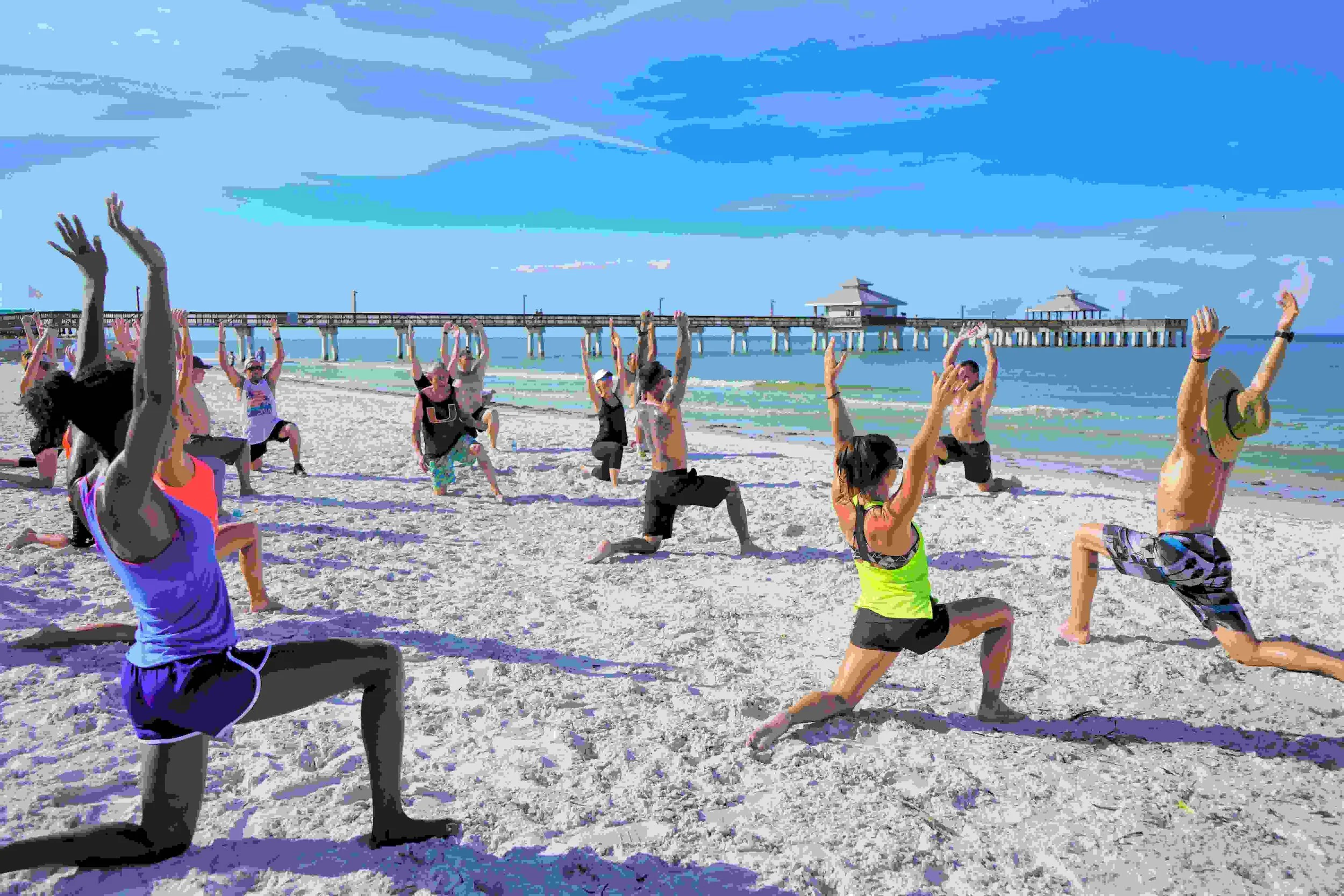
Wellness audiences usually connect more strongly with authenticity than perfection.
Founders, practitioners, coaches and real customers often outperform traditional agency models because they feel believable. Customers want to see someone who feels relatable, not overly polished or disconnected from reality.
That does not mean professional models are wrong. It means casting decisions should support the emotional tone of the campaign.
The goal is trust, not perfection.
How Great Direction Creates Natural-Looking Images
Most people are uncomfortable in front of a camera at first.
Strong wellness photographers understand how to guide people naturally instead of forcing stiff poses.
Instead of saying:
“Stand here and smile.”
A skilled photographer creates action:
pouring tea
stretching
journaling
preparing a smoothie
walking naturally
interacting with products
These real movements reduce tension and create believable images that feel relaxed and human.
The Shot List: Planning the Campaign Before Shoot Day

Why Shot Lists Matter More Than Most Brands Realize
A shot list organizes the entire campaign before the shoot begins.
Without one, brands often waste time capturing repeated angles while forgetting important website banners, ad formats, or product detail images.
A professional wellness campaign shot list should include:
website hero banners
vertical social media content
email marketing headers
product detail shots
paid advertising crops
environmental lifestyle imagery
content support images
Planning this early improves efficiency and content usability later.
The Specific Shot Types Every Wellness Campaign Needs
Hero Shots That Carry the Entire Campaign
The hero shot is the main image of the campaign. It combines the product, environment, emotion and storytelling into one strong frame.
These images are usually used for:
homepage banners
ad creative
launch announcements
press kits
Plan multiple hero variations with different lighting and compositions.
Lifestyle Sequence Shots That Feel Real and Natural
Lifestyle images show the product or service inside real daily routines.
These photos help customers imagine themselves inside the brand's world. They usually feel softer, warmer and less posed than traditional commercial photography.
Lifestyle content often performs especially well on Instagram, Pinterest and email campaigns.
Product Detail Shots That Build Trust
Product detail images focus on:
packaging
texture
ingredients
labels
materials
These images support ecommerce performance because customers want to clearly understand what they are buying.
Strong detail photography also improves customer confidence and reduces hesitation during purchase decisions.
Atmospheric and Supporting Shots That Complete the Brand World
Supporting images create visual consistency across a campaign.
These might include:
linens
ceramic cups
plants
wellness tools
warm light on surfaces
quiet environmental moments
These images help social feeds, blog content, and email campaigns feel visually connected instead of random.
The Creative Team Around the Camera
Who You Actually Need on Set and Why
Wellness campaign photography is collaborative. Even simple shoots benefit from thoughtful creative support.
Wardrobe Styling That Supports the Brand Story
Wardrobe affects how the entire campaign feels.
Texture, fit, movement, and color all behave differently on camera than they do in real life. Good styling keeps the visuals consistent and aligned with the brand identity.
Hair and Makeup That Looks Natural on Camera
Wellness beauty direction should look healthy, clean and believable.
The goal is not heavy glamour. It is skin and styling that feel fresh, calm and natural under professional lighting.
Prop Styling and Set Design That Build the Brand World
Props help complete the visual story.
Plants, ceramics, wellness tools, books, fabrics and food elements help the environment feel believable rather than empty or staged.
The best prop styling supports the image quietly without distracting from the subject.
Production Coordination That Keeps Everything Moving
A coordinator helps manage schedules, communication, setup timing and logistics.
This allows the photographer and creative team to stay focused on producing strong visuals instead of constantly solving production problems.
When Smaller Wellness Shoots Work Better
Not every campaign needs a large production team.
Some wellness brands perform best with smaller, more intimate shoots that feel personal and relaxed. A founder led shoot in a thoughtfully prepared Los Angeles home or wellness studio can sometimes create more authentic content than a large commercial production.
The creative direction should determine the crew size, not assumptions about what looks professional.
What Happens After the Shoot: Editing, Delivery and Content Strategy

The Editing Style That Performs Best in Wellness Photography
Wellness editing should feel clean and natural.
Soft contrast, warm tones, balanced skin color and realistic textures usually perform better than heavy filters or overly dramatic retouching.
Customers in the wellness space respond better to believable imagery than overly edited perfection.
That authenticity strengthens customer trust.
Turning One Shoot Into Months of Content
A properly planned wellness campaign photography shoot creates a full content library, not just a few social posts.
One shoot can supply:
website imagery
social media campaigns
email marketing visuals
paid ad creative
product pages
blog content
PR materials
This only works when the campaign was planned with content distribution in mind from the beginning.
Where Sarah Sherr Photo Comes Into This
This level of wellness campaign planning requires more than technical photography skill. It requires understanding customer psychology, visual storytelling, wellness branding and content strategy together.
That is exactly what Sarah Sherr Photo focuses on.
Based in Los Angeles, Sarah Sherr Photo works with wellness, skincare, supplement, lifestyle and health brands that need more than attractive images. The process is built around creating content that improves trust, supports conversion goals and gives brands a long term visual identity that feels consistent everywhere it appears.
From creative planning and mood board development to final delivery, every stage is designed to help wellness brands look established, credible and emotionally connected to their audience.
The Part Most Guides Skip: What Actually Goes Wrong and How to Prevent It
The Most Common Wellness Campaign Planning Mistakes
The first major mistake is building a mood board around trends instead of the actual customer. Beautiful reference images mean very little if they do not reflect the audience your brand wants to reach.
The second mistake is entering the shoot without a structured shot list. This usually leads to missing content, rushed decisions, and weak campaign organization afterward.
The third mistake is hiring a photographer based only on price rather than category experience. Wellness photography requires understanding how wellness consumers emotionally respond to imagery.
These mistakes are avoidable with proper planning.
What a Well Planned Campaign Actually Looks Like
Imagine a Los Angeles wellness beverage brand launching a stress support drink for busy professionals.
The creative direction focuses on calm productivity rather than extreme hustle culture. The location uses warm California natural light. The wardrobe feels relaxed but polished. The props support healthy routines without cluttering the frame.
The campaign includes:
homepage hero imagery
product detail shots
lifestyle workday moments
calm environmental scenes
social media crops
paid advertising formats
Every image speaks to the same audience and emotional goal.
That consistency is what makes campaigns feel trustworthy and memorable.
Your Next Campaign Should Not Begin With a Camera
It should begin with a strategy.
The strongest wellness campaigns are built long before shoot day starts. They begin with clear goals, strong planning, thoughtful creative direction, and photography that understands how wellness brands actually earn trust online.
That is where strong visual campaigns come from.
And that is exactly where Sarah Sherr Photo leads wellness brands.
If your brand is ready for photography that supports real business growth instead of temporary content, this is the time to build it properly.
Book your wellness campaign consultation with Sarah Sherr Photo and create visuals that finally match the quality of your brand.
Frequently Asked Questions
How far in advance should I start planning a wellness campaign photography shoot?
Start planning six to eight weeks before the shoot for proper creative preparation, location scouting and scheduling.
Can I use my iPhone for a wellness campaign shoot instead of hiring a professional?
Phones work for casual content but professional campaigns need professional photography to build stronger trust and conversions.
What makes a wellness photo feel authentic instead of staged?
Natural actions, believable locations, soft lighting and relaxed direction help wellness images feel authentic.
How many final images should a wellness campaign photography shoot deliver?
Most campaigns need around 40 to 60 edited images for websites, social media, ads and product pages.
Do I need to hire a separate creative director, or can the photographer handle that role?
Some photographers manage both roles. Sarah Sherr Photo includes creative planning before the shoot to align the visual direction clearly.