The First Timer's Guide to TFP: How to Pitch LA Models and Makeup Artists When You Have No Track Record

Here's the moment almost every beginner photographer in Los Angeles hits, usually within the first few weeks of picking up a camera seriously. You've watched enough tutorials, you've shot enough test photos in your apartment and you're ready to work with an actual person, not a mannequin or a patient friend. So you message a model or a makeup artist you found online and the reply comes back fast: "Sure, can I see your portfolio?"
And that's where it stalls. Because you don't have one. Not a real one. Maybe a folder of photos from your phone, maybe nothing at all.
This isn't a dead end, even though it feels like one at 11 p.m. scrolling through Instagram. It's just the part nobody explains clearly. There's a system built specifically for this exact situation and it's been quietly responsible for launching a huge share of working photographers, models and makeup artists across this city. It's called TFP, short for "trade for portfolio" and it swaps the thing you don't have yet, proof, for the thing you do have, which is your time and your willingness to show up prepared.
This guide walks through exactly how that trade works in Los Angeles specifically, since pitching in this city looks different than pitching in a smaller market with fewer creatives competing for the same shoots. You'll get the actual wording that gets replies, the neighborhoods and platforms where LA creatives are easiest to reach and what separates a trade shoot that goes nowhere from one that becomes the first page of a real, working portfolio. Everything below is built around that single goal, getting your first real shoot booked, so you can stop reading tutorials and start actually shooting.
What TFP Actually Is, Explained Without the Jargon
The Trade in Plain Terms
TFP means trade for portfolio, sometimes written as time for print. A photographer and a model, makeup artist or stylist agree to shoot together with no payment involved. Everyone keeps the final images to use however they need, whether that's an agency submission, a social feed or a growing professional book.
Why This System Fits Los Angeles Specifically
Few cities have as many people entering modeling, beauty and photography at the same time as Los Angeles does. That constant overlap of newcomers is exactly why TFP has stayed the standard starting point here for decades. A new photographer in Silver Lake and a new model in the Arts District are, in a very real sense, solving each other's problem at the same moment: one needs practice shooting real people, the other needs professional images that don't cost anything yet.
The First Timer's Guide to Pitching LA Models and Makeup Artists With No Track Record
What Models Are Actually Checking For
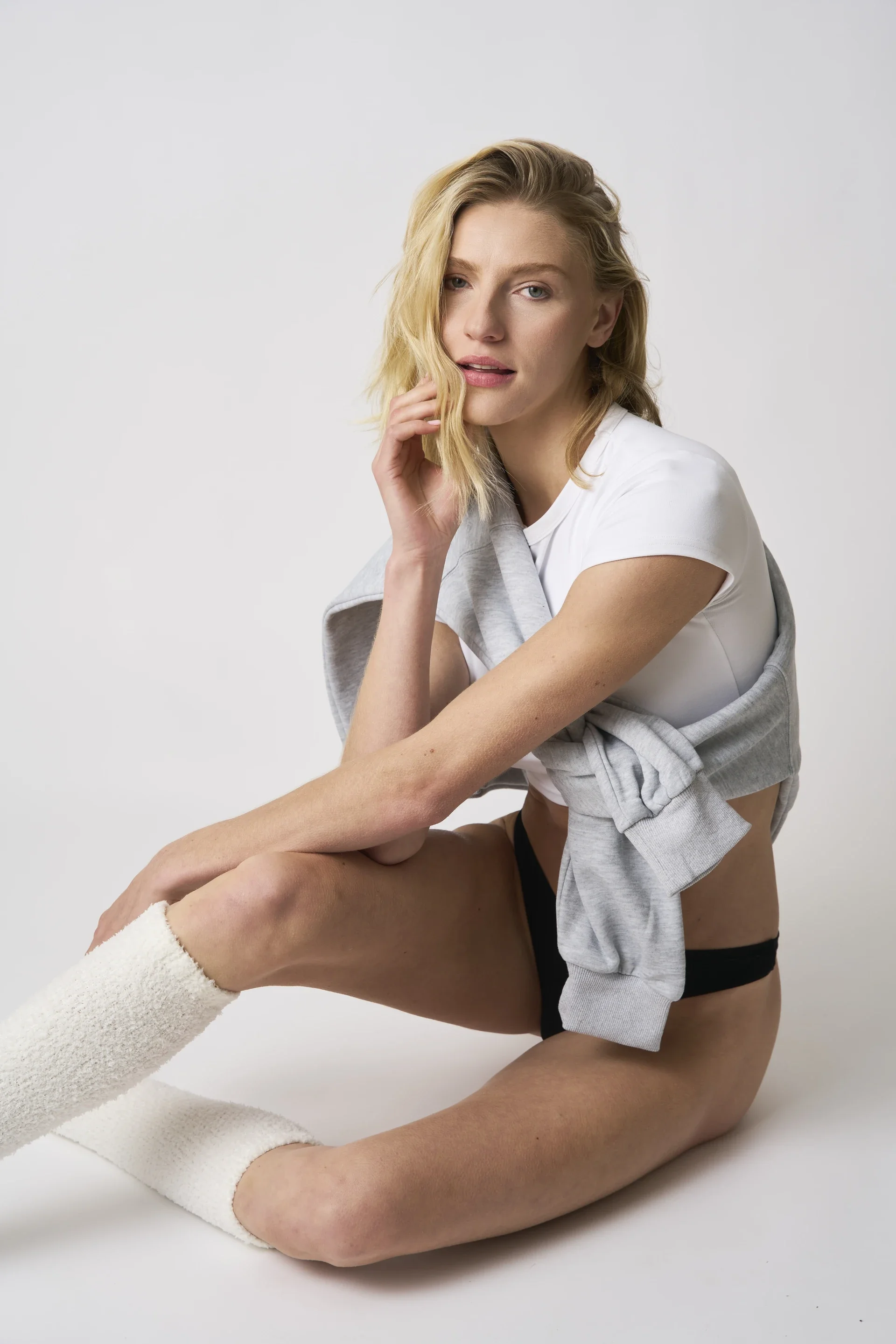
A model deciding whether to trust a first timer isn't usually running a background check on your career. She's watching how you communicate, whether you have an actual plan for the shoot and whether the images will be genuinely useful for her own goals, whether that's an agency package or a stronger Instagram feed. Experience helps, sure but clarity and follow through matter more at this stage.
What Makeup Artists Are Actually Checking For
A makeup artist's entire portfolio depends on how well a photo shows her work. She's not evaluating your resume. She's evaluating whether you understand lighting that flatters skin tone and texture and whether you'll get close enough on a few shots that the makeup itself is the focus, not an afterthought behind a wide shot. Photographers who ask a simple question upfront, like which look she's most proud of, tend to get a warmer, more collaborative response than those who skip straight to logistics.
Writing a Pitch Message Los Angeles Creatives Actually Answer
Most pitches get skipped in the first three seconds, not because the offer is bad but because the message reads like a request instead of a proposal.
How to Pitch LA Models and Makeup Artists When You Have No Track Record
This is the exact moment the whole guide has been building toward the actual message itself. A pitch built to get a reply usually leads with what the other person gains, states the shoot concept clearly, gives a rough date and neighborhood and closes with a low-pressure question. That order respects the model or artist's time and frames the whole thing as a real collaboration rather than a favor being asked of them.
A message built this way typically includes:
A short line on the shoot concept and why you're reaching out
What she walks away with, whether that's images for her book or her feed
A rough date, time, and general area, like Downtown LA or Venice
One visual reference, even a moodboard link or three sample frames
A direct, easy to answer question about her interest
Openers That Quietly Get Ignored
Leading with "I need models for my portfolio" centers the whole message on you, which is the fastest way to get skipped by someone getting five similar messages a week. Flip the framing toward what she gets and the same offer reads completely differently.
Keeping the Tone Steady Once the Conversation Starts
The first message sets the tone, but the follow up conversation is where a lot of beginners lose the trust they just built. Answering questions about the shoot with specifics, rather than vague reassurance, keeps the momentum going. If she asks what the lighting setup will look like or how many looks she should bring, a clear, direct answer does more for booking the shoot than any amount of enthusiasm ever will.
Where LA Models and Makeup Artists Actually Look for Trade Shoots

The Digital Spaces Worth Checking Daily
Instagram location tags for neighborhoods like Los Feliz, Highland Park and the Arts District tend to surface active, working creatives faster than a general hashtag search. Local Facebook groups built specifically around LA modeling and beauty communities also stay busy, often with far less competition than Instagram since fewer photographers check them consistently. Cosmetology and makeup programs across the city are a steady, underused source too, since students constantly need portfolio images for coursework.
Why Neighborhood Matters More in LA Than in Most Cities
Los Angeles isn't one creative market, it's several smaller ones stitched together and each neighborhood tends to attract a slightly different type of talent. The Arts District and Downtown draw creatives leaning toward editorial and streetwear concepts while areas closer to Venice and Silver Lake tend to have a stronger pull toward natural light, lifestyle driven work. Pitching a downtown editorial concept to someone whose entire feed is soft, natural beach content rarely lands, not because the offer is bad but because it doesn't match what she's already building toward.
Reading Whether Someone Is Worth Booking
A large following means very little here. What actually signals a reliable first collaborator is steady communication, a reasonable response time and some consistent body of posted work, even a small one. Someone who replies clearly and quickly is almost always a better first shoot than someone with ten thousand followers and a two week reply gap.
Running the Shoot: What Actually Happens Before and After
The Prep That Prevents a Wasted Day
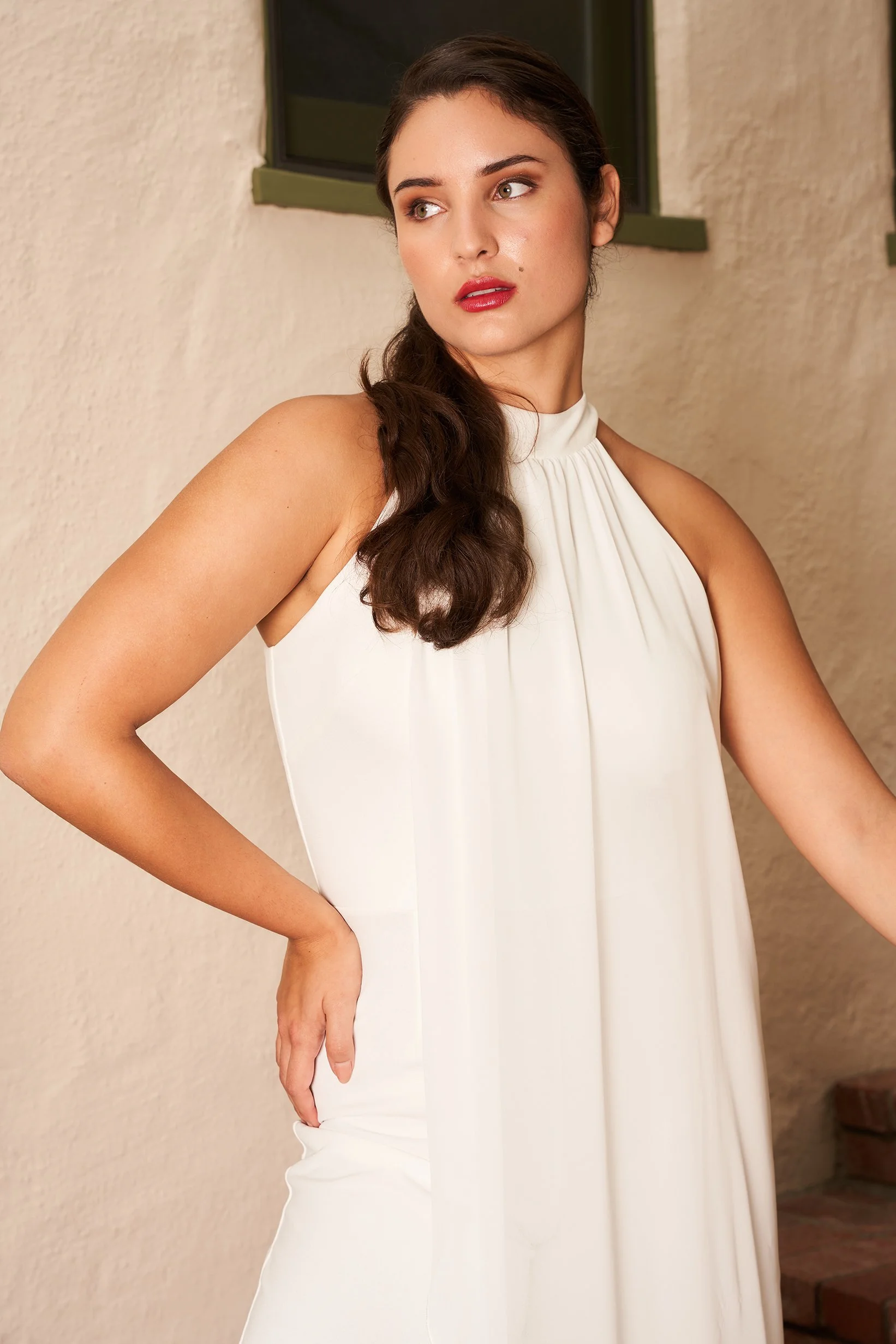
A short release form covering usage rights turns the shoot from casual to professional in one step, and it protects both people. A simple shot list, five or six planned frames, keeps the day moving instead of drifting. In a city where weather and light shift block by block, having one backup location in mind saves a shoot that would otherwise fall apart over something out of anyone's control.
What Actually Builds Trust On Set
Including a few close, well lit shots that put the makeup itself front and center matters more than most beginners realize, since that's often the entire reason the artist agreed to the trade. Sticking to the timeline you promised, even if it's two weeks instead of two days, builds far more trust in a tightly connected creative community than an ambitious promise you can't keep.
What Actually Separates a Booked Pitch From an Ignored One
The gap between a pitch that gets answered and one that disappears rarely comes down to camera gear or years behind the lens. It comes down to whether the message respects the other person's time and actually understands what she needs from the shoot. Photographers who treat every trade as a genuine exchange, not a favor they're asking for, book consistently more often than those sending the same generic message to twenty people a week.
That habit doesn't change as a career grows, either. A Los Angeles based commercial and lifestyle photography studio with years of client work still leans on the same core instinct that makes a first TFP pitch land: a clear plan, honest communication and images built around what the subject actually needs, not just what fills a portfolio.
Three Trade Shoots, Three Different Starting Points
A photographer with three months of casual posting and zero paid clients messaged a makeup artist about a simple beauty concept, shot in a home studio with a same week date attached. The shoot produced five final images. Two of them became part of the artist's first paid booking submission a month later.
A different beginner reached out to a model through a local Facebook group about a lifestyle shoot near a Downtown LA location with strong natural light. She had never worked with anyone beyond phone selfies before that. The resulting photos became her first real submission to a local agency.
A third photographer worked almost entirely with cosmetology students, trading clean, well lit images for makeup practice time. Six shoots in under two months became the entire foundation of his first paid client work later that year.
None of them had a track record going in. Each one had a clear pitch and a plan worth showing up for.
The Real Shortcut Isn't Skipping TFP. It's Doing It Right.
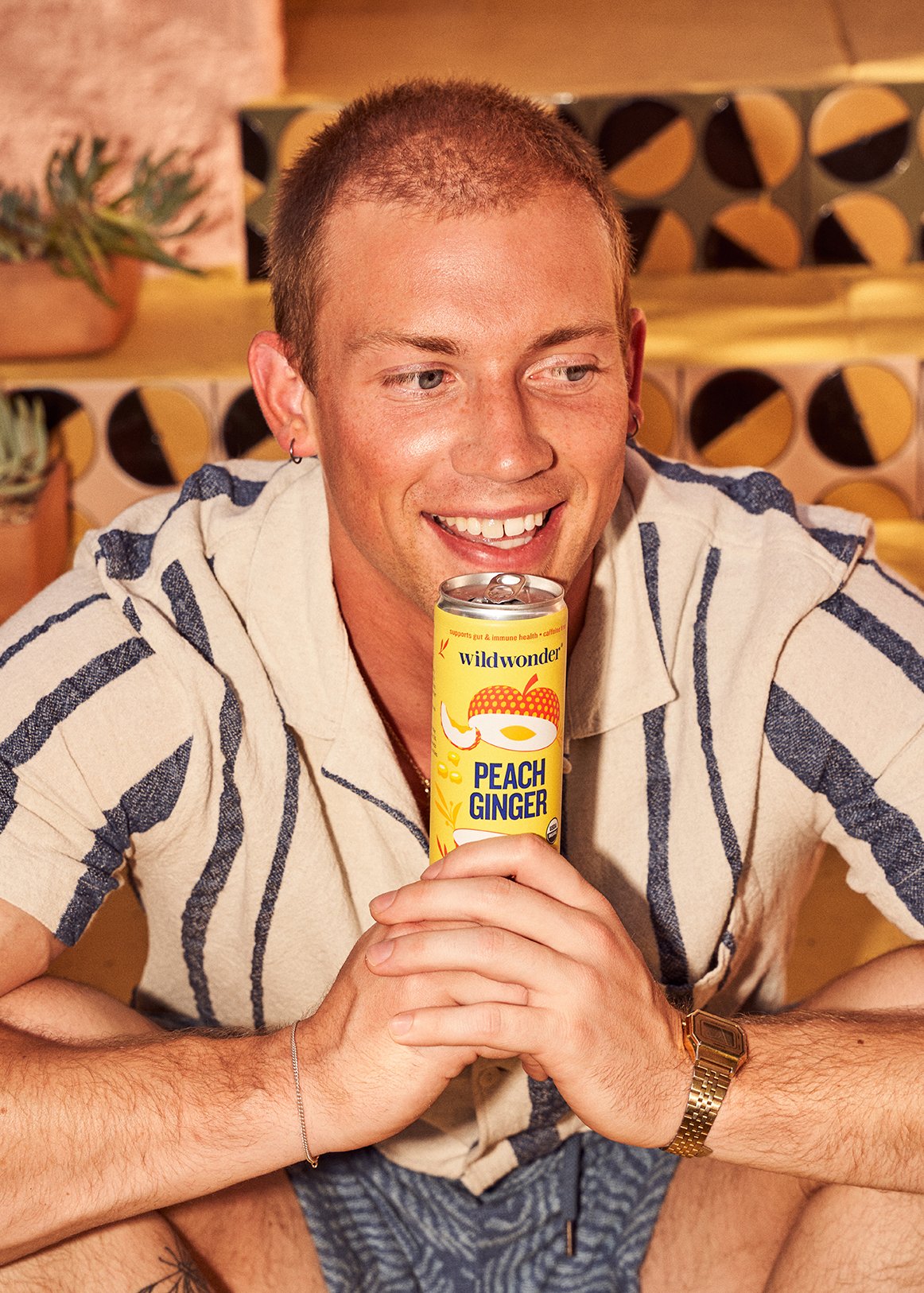
There's no version of a photography career in this city that skips this stage entirely. Every working photographer, including the team behind Sarah Sherr Photography, built their earliest work through trades exactly like these. The shortcut was never avoiding TFP. It was approaching it with a real plan, a respectful pitch, and a clear sense of what the other person actually needed to walk away with, and that mindset is what turns one free shot into the first page of a portfolio worth showing.
See What a Real, Professional Collaboration Looks Like
Before your next pitch goes out, it helps to see what a structured, professional shoot actually looks like from first idea to final image. Sarah Sherr Photography works with clients across Los Angeles on commercial and editorial lifestyle photography and is happy to talk through what that process looks like in practice. Reach out to start the conversation and carry that insight straight into your next trade shoot.
FAQs
What does TFP mean in photography?
TFP stands for trade for portfolio, an arrangement where a photographer and a model or makeup artist collaborate without payment and both sides keep the final images for their own use.
Do I need prior experience to start pitching TFP shoots?
No. Most models and makeup artists care far more about clear communication and a solid plan than an existing portfolio or years behind the camera.
Where do LA models and makeup artists look for TFP collaborations?
Instagram location tags, local Facebook groups and cosmetology or makeup programs across the city are the most consistent places to find creatives open to trade work.
What belongs in a strong TFP pitch message?
A short intro, the shoot concept, what the other person gains, a rough date and neighborhood and one visual reference like a moodboard or sample frame.
How many trade shoots does it usually take to build a real portfolio?
Most beginners need somewhere between five and eight solid shoots before their work is strong enough for paid client bookings or agency submissions.