
Commercial Photography Course LA: What Aspiring Photographers Really Need to Know

Anyone who has typed "commercial photography course LA" into Google knows the frustration that follows. The search results are a mix of expensive university programs, weekend workshops with vague promises and generic listicles that never actually answer the question. Meanwhile, the real goal isn't a certificate on a wall. It's the ability to walk onto a client's set, understand what they need and deliver images that get used in an actual campaign, whether that's a product launch, a restaurant's new menu or a fashion label's next lookbook. That gap between finishing a course and getting hired is where most beginners lose months and sometimes years, without ever realizing where the disconnect actually is.
Part of the confusion comes from the sheer size of the Los Angeles photography market itself. A search that would return a handful of relevant results in a smaller city returns hundreds of options here, ranging from expensive semester long degree programs to weekend workshops run out of a rented studio space. Sorting through all of it takes time most beginners don't want to spend. This guide walks through what a commercial photography course in Los Angeles should actually teach, what different training paths cost and what it really takes to turn that training into paid work in a city where competition for commercial clients is as tough as it gets anywhere in the country.
Why Los Angeles Is the Testing Ground for Commercial Photographers
Los Angeles carries more advertising, fashion and entertainment business than almost any other city in the country and that concentration shapes everything about how commercial photography works here. A photographer training in a smaller market might shoot a handful of brand jobs a year. In LA, that same skill set can mean weekly bookings once a reputation starts to build.
The Industries Driving Demand
Neighborhoods like the Arts District, Culver City and parts of Hollywood have become hubs for production studios, ad agencies and brand headquarters. Beauty and skincare companies headquartered near Santa Monica need fresh product imagery every time packaging changes. Restaurants throughout the city need new menu photography whenever a seasonal dish launches. Fashion showrooms downtown need lookbook updates every season. This kind of repeat, ongoing demand is part of why commercial photography tends to be steadier work than one-off portrait or event sessions.
What the Numbers Say About This Career Path
According to the U.S. Bureau of Labor Statistics' most recent Occupational Employment and Wage Statistics report, covering May 2025, the median hourly wage for photographers nationwide climbed to roughly twenty seven dollars, a figure that blends part time hobbyists with full time professionals across every specialty. Photographers working within media and communication roles, where most commercial and brand photography falls, reported meaningfully higher annual earnings than that broader average. The spread between the lowest and highest earners in the field is wide and specialization is usually what explains the difference. Photographers who focus specifically on commercial and advertising work tend to land toward the top of that range, since businesses pay for images tied directly to sales rather than personal keepsakes.
Types of Commercial Photography Training Available in Los Angeles
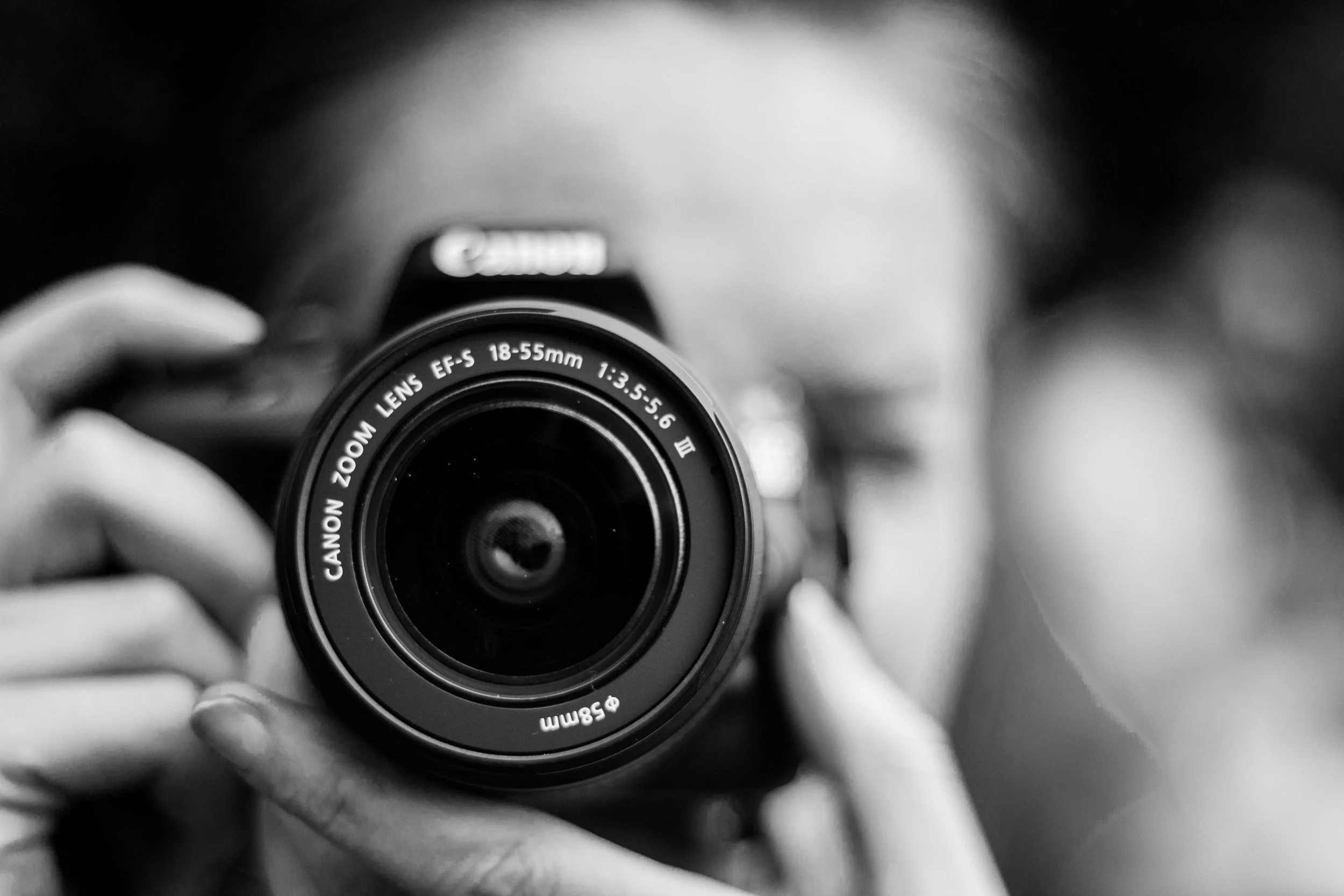
Not every course is built for the same outcome and choosing the wrong one wastes both time and money.
Degree and Certificate Programs
Schools such as Otis College of Art and Design and UCLA Extension run structured photography programs covering lighting, studio technique and in some cases a dedicated unit on advertising or commercial imagery. These programs typically span a semester or longer which suits someone building a broad technical foundation before narrowing into commercial work specifically.
Hands-On Workshops and Studio Intensives
Shorter workshops led by working commercial photographers focus on production speed rather than theory. These sessions usually take place inside an active studio space, so students see real lighting rigs, real client timelines and real problem-solving in progress, rather than reading about it secondhand. A single weekend intensive can sometimes cover more practical ground than an entire semester of general photography coursework.
Self Directed Learning Paths
Some photographers skip formal enrollment entirely and build their skills through paid assisting work, focused practice and direct observation on real sets. This path takes longer to structure on your own but it costs far less upfront and tends to work best for someone who already understands camera fundamentals and just needs exposure to how commercial shoots actually run.
Core Skills Every Commercial Photography Course Should Cover
A course that only teaches camera settings isn't preparing anyone for paid commercial work. The training that actually matters covers how light interacts with product surfaces, how to read a creative brief without constant back and forth and how to keep a shoot on schedule when a client changes direction midway through the day.
Lighting for Product, Brand and Lifestyle Work
Commercial photography depends on controlled light far more than portrait or event work does. Strong training teaches how to shape light around reflective surfaces, fabric texture and skin tone so the final image matches exactly what a brand's marketing team has already approved in a mood board.
Client Communication and Creative Briefs
Reading a creative brief is its own skill, separate from photography itself. Useful training walks students through interpreting vague client language, asking the right questions before a shoot begins and adjusting a shot list on the fly without losing the day's schedule.
Post Production Workflow
Commercial clients expect a consistent visual style across every image in a campaign. Training should cover color grading, retouching standards and file delivery formats that match what agencies and in-house marketing teams typically request, since a mismatched file type can delay an entire launch.
What Separates Course Graduates From Working Professionals
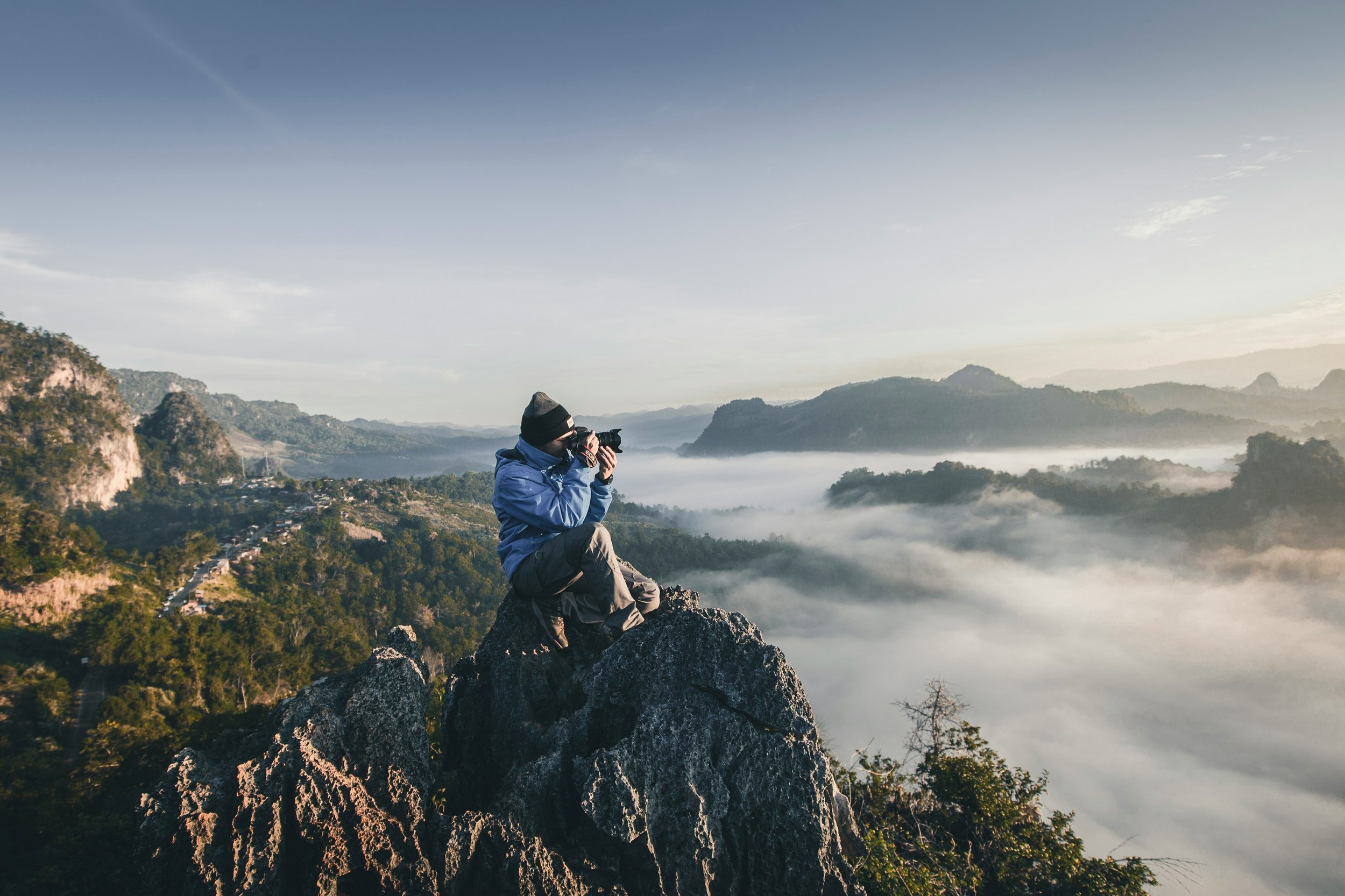
Finishing a course is only the first step. The photographers who go on to book paying clients in Los Angeles usually have something a classroom alone can't fully provide: real exposure to how a working set actually runs.
The Skills a Classroom Can't Fully Teach
Managing a nervous client, adjusting to a last minute location change or handling a model who arrives late are situations that only make sense once they've actually happened. No lecture slide fully prepares someone for the pressure of a live shoot day with a paying client watching every frame over your shoulder.
How Assisting Speeds Up the Learning Curve
Photographers who assist on real commercial shoots before going independent tend to book their first paid clients faster than those relying on coursework alone. Watching an experienced photographer manage lighting, crew and client expectations in real time compresses months of trial and error into a handful of shoot days.
A Look Inside an Actual LA Commercial Shoot
Understanding what a real shoot day looks like makes it far easier to judge whether a course is actually preparing someone for the job or just teaching technique in isolation.
Planning Before the Camera Ever Comes Out
A typical commercial shoot begins days or weeks earlier with a call sheet, a mood board, and a location scout. The photographer usually confirms lighting needs, prop requirements and a rough shot list before anyone steps on set, since client budgets rarely leave room for guesswork once the actual shoot day starts.
Managing the Unexpected on Set
Even a well planned shoot runs into surprises, like a product arriving damaged in transit or a client requesting a completely different backdrop on the spot. Photographers with real commercial experience adjust lighting and composition within minutes instead of restarting the entire plan and that kind of composure under pressure is usually the clearest sign of genuine experience.
How to Choose the Right Course for Your Goals

The right course depends less on reputation and more on what someone actually needs to walk away with. A university program makes sense for a broad foundation and access to student crews and equipment. A short workshop makes more sense for someone who wants fast, production-focused skills taught inside a working studio. And self directed learning paired with assisting work tends to fit people watching their budget closely. Whichever path gets chosen, the strongest programs share one trait worth asking about directly: does the instructor currently shoot commercial work or only teach it? Active, current experience matters more than years spent in a classroom and it's a fair question to ask before paying for any program, no matter how polished its marketing looks.
Building a Portfolio That Reflects Commercial Grade Work
No course matters if the final portfolio doesn't look like something a brand would actually pay for. Agencies and marketing teams want to see images that feel like they belong in a real campaign, not a classroom assignment. A focused portfolio of ten to fifteen strong images within one or two categories, such as product photography or lifestyle branding, builds far more trust than sixty scattered images without a clear point of view. Reviewing how established commercial studios around Los Angeles organize their portfolios, choose consistent color tones, and present a cohesive visual identity gives new photographers a realistic benchmark to build toward.
Why Local Experience Matters More Than a Certificate
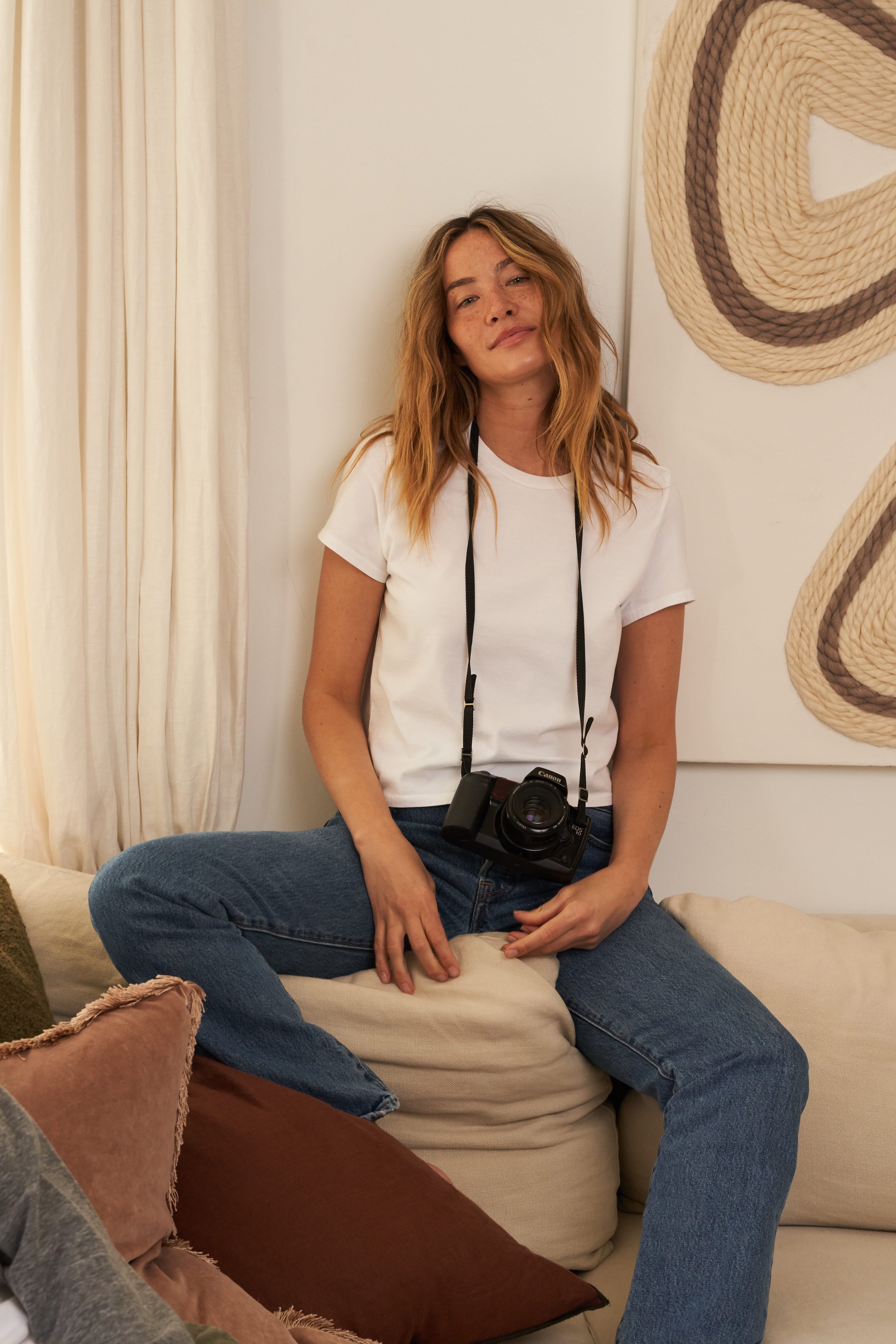
A course teaches technique but working specifically within the Los Angeles market teaches something a general photography education can't fully replicate. Local commercial photographers already know which neighborhoods photograph well for lifestyle brands, which studios rent by the hour without long term contracts and which permit rules apply to public locations across the city, from Griffith Park to the Downtown Arts District. That local knowledge shortens planning time and reduces the chance of a shoot day falling apart over a permitting issue an out-of-town photographer wouldn't have anticipated. Clients also tend to trust photographers who already understand the pace of the LA market, where campaigns often move on tighter deadlines than in smaller cities.
The Fastest Way Forward Isn't the One Most People Choose
Most people searching for a commercial photography course assume the answer is a single class or certificate, full stop. In practice, the photographers who succeed fastest combine structured training with direct exposure to a working studio, whether through assisting, shadowing or simply studying how an established business runs its shoots day to day. That combination closes the gap between knowing how to use a camera and actually getting hired for commercial work and it does it faster than either path on its own. Sarah Sherr Photography has built its reputation across Los Angeles doing exactly this kind of commercial and lifestyle photography and its shoots offer a real, current benchmark for anyone trying to understand what client ready work actually looks like in this market.
Anyone ready to see commercial photography done at a professional level, whether to hire a photographer for an upcoming brand project or to study how a working studio actually operates, can reach out to Sarah Sherr Photography directly. A short conversation now can save months of guessing what "good enough" really means in this business.
Frequently Asked Questions
How much does a commercial photography course cost in Los Angeles?
University programs typically run several thousand dollars per semester, while independent workshops usually range from two hundred to eight hundred dollars for a single day or weekend session.
How long does it take to become a commercial photographer?
Most people need six months to a year of focused practice before they're ready for paid commercial work and that timeline often shortens when a course is paired with assisting experience.
Is a college degree required for commercial photography work?
No. Many working commercial photographers in Los Angeles built their careers through workshops, assisting jobs and a strong portfolio rather than a traditional degree.
What's the difference between commercial and product photography?
Product photography focuses specifically on showing an item clearly and attractively while commercial photography is the broader category that also includes lifestyle, brand, and advertising imagery.
What should someone look for when comparing courses?
The strongest courses include real client-style projects, active studio exposure and instructors who currently shoot commercial work rather than only teaching it from theory.