
Natural Light vs. Studio Strobes: What Commercial Photographers Must Know
Walk into any working commercial photography studio and ask the photographer which light source they prefer. The answer will not be natural light or strobes. It will be: it depends on what the image needs to sell.
That answer is the difference between a photographer who shoots jobs and one who builds a commercial career.
Most photographers learn one light source and defend it like it is a personal belief. The ones who get hired by CPG brands, lifestyle labels and campaign clients learn both and more importantly, they learn why each one exists. Light is not a technical setting. It is a creative decision with direct consequences for how a brand is perceived by the people buying its products.
This guide gives you the full picture: what natural light and studio strobes actually do inside a commercial frame, when each one is the right call and how to recreate that warm, sun soaked CPG aesthetic that brands in food, beauty and wellness are paying for right now even without owning a single piece of lighting gear.
What Natural Light and Studio Strobes Actually Do Inside a Frame
The standard explanation is that natural light is soft, strobes are powerful and tell you almost nothing useful. Both can be soft or hard. Both can be warm or cool. The real distinction is about what each source gives the photographer control over and what it takes away.
How Natural Light Behaves in Commercial Work

Natural light is not a single quality. It is a continuous variable shaped by cloud cover, window size, orientation and time of day. A large north facing window on an overcast afternoon produces soft, diffused, nearly shadowless light the kind that wraps around a skincare bottle or a ceramic mug with an evenness that no artificial modifier can fully replicate. That same window at midday in direct sunlight produces harsh specular highlights on packaging and deep shadows that flatten product detail.
The quality that makes natural light commercially valuable is its falloff, the gradual, organic transition from light into shadow. Window light has a falloff that reads as natural to the human eye, because it is. That is precisely why lifestyle brands, food brands and DTC beauty labels gravitate toward it. Their customers associate this quality of light with authenticity and trust.
Color temperature matters here too. A north facing window sits around 6500K, neutral and slightly cool. Morning light from the east runs warmer, closer to 5000–5500K. Each requires a different white balance decision in camera and a different approach in post.
How Studio Strobes Behave in Commercial Work
A studio strobe fires a burst of light lasting roughly 1/800th to 1/1000th of a second. The power output of a mid range monolight, a Godox AD400 Pro, for example produces more light in that fraction of a second than most windows deliver across an entire shoot. But the main benefit is not the power. It is consistent.
At 8 AM, 1 PM, or 6 PM, a strobe set to 200 watt seconds through a 90cm octabox produces the same light. Same color temperature at approximately 5500K. Same exposure value. Same shadow depth at a given subject distance. For a commercial client photographing a 150 product catalog in one day, that consistency is not a preference, it is a production requirement.
Strobes also give precise control over the inverse square law in practice. Moving the light one meter closer doubles its intensity and softens its quality. A fill ratio the relationship between key light and fill can be dialed in, locked and reproduced exactly across every product in a shoot. That level of repeatability does not exist with natural light.
When Natural Light Is the Right Commercial Choice
The assumption that strobes are inherently more professional than natural light costs photographers real work. Many of the most commercially successful images produced in the last five years were shot with nothing more than a large window, a reflector and a well chosen surface.
Lifestyle and CPG Brands with Organic Visual Identities
The DTC brand wave created a massive market for lifestyle photography that looks lived-in. Brands selling supplements, skincare, specialty food and wellness products need imagery that places their product inside a real seeming moment. Warm, directional window light with a soft fill creates a catchlight in glass packaging, gentle shadow on textured surfaces and color relationships between product and background that read as warm and inviting.
That is brand communication, not just product photography. Strobes can approximate that feeling. They cannot replicate the way actual window light interacts with translucent packaging and botanical textures.
Golden Hour for Outdoor Commercial Work
Outdoor commercial photography during golden hour, the 45 minutes after sunrise and before sunset produces light that professional art directors actively seek. Traveling through more atmosphere at a low angle, the light is directional, warm toned around 3500–4500K, and carries a soft volumetric quality. Shadows are long and gentle. Colors appear saturated without midday harshness.
For fashion campaigns, beauty editorials and outdoor lifestyle brands, this is a genuine competitive advantage a studio cannot replicate at any price point.
When Studio Strobes Are the Only Practical Option
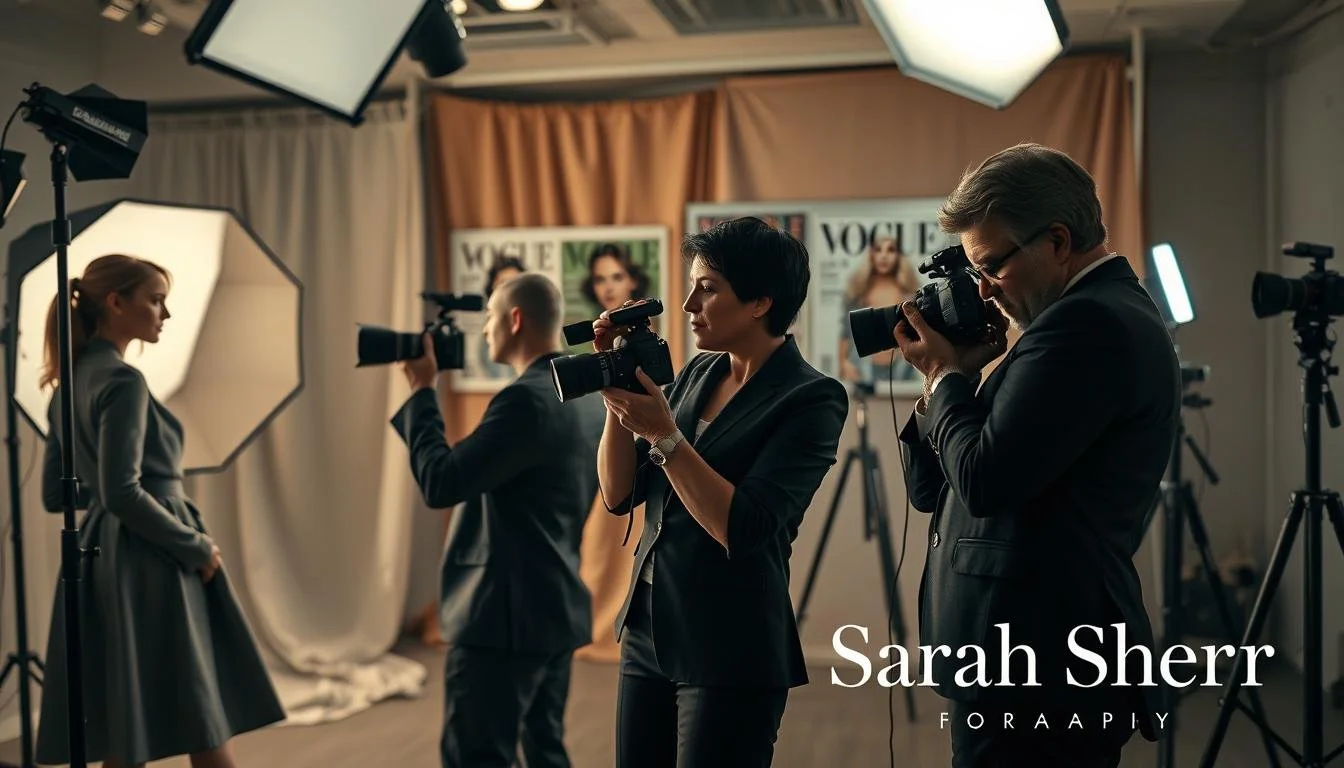
There are commercial briefs where natural light is simply not a viable production method. Understanding this protects photographers from committing to the wrong approach before a shoot.
Catalog Shoots and High Volume Product Photography
Any brief requiring consistent imagery across more than two to three dozen products requires strobes. Natural light changes in color temperature, intensity and direction across a full shoot day even on an overcast day, cloud cover shifts and light color drifts. Matching that drift across a hundred product images in post costs more in editing time than the equipment investment to prevent it on set.
A calibrated strobe setup with a grey card reference frame and a fixed modifier position eliminates that variable entirely. Every frame has an identical, verifiable light source. For catalog clients distributors, retailers, brand creative teams, this consistency carries commercial weight that natural light cannot match at scale.
Spaces Without Usable Natural Light
A large share of commercial photography happens in windowless studios, commercial kitchens and retail environments. These spaces have mixed artificial light at conflicting color temperatures that contaminate any available natural light. A properly powered monolight overpowers ambient light in most interiors, giving the photographer complete control over an environment the building was not designed to photograph in.
Natural Light vs. Studio Strobe: How to Mimic Sunny CPG Aesthetics When You Don't Own Lighting Gear
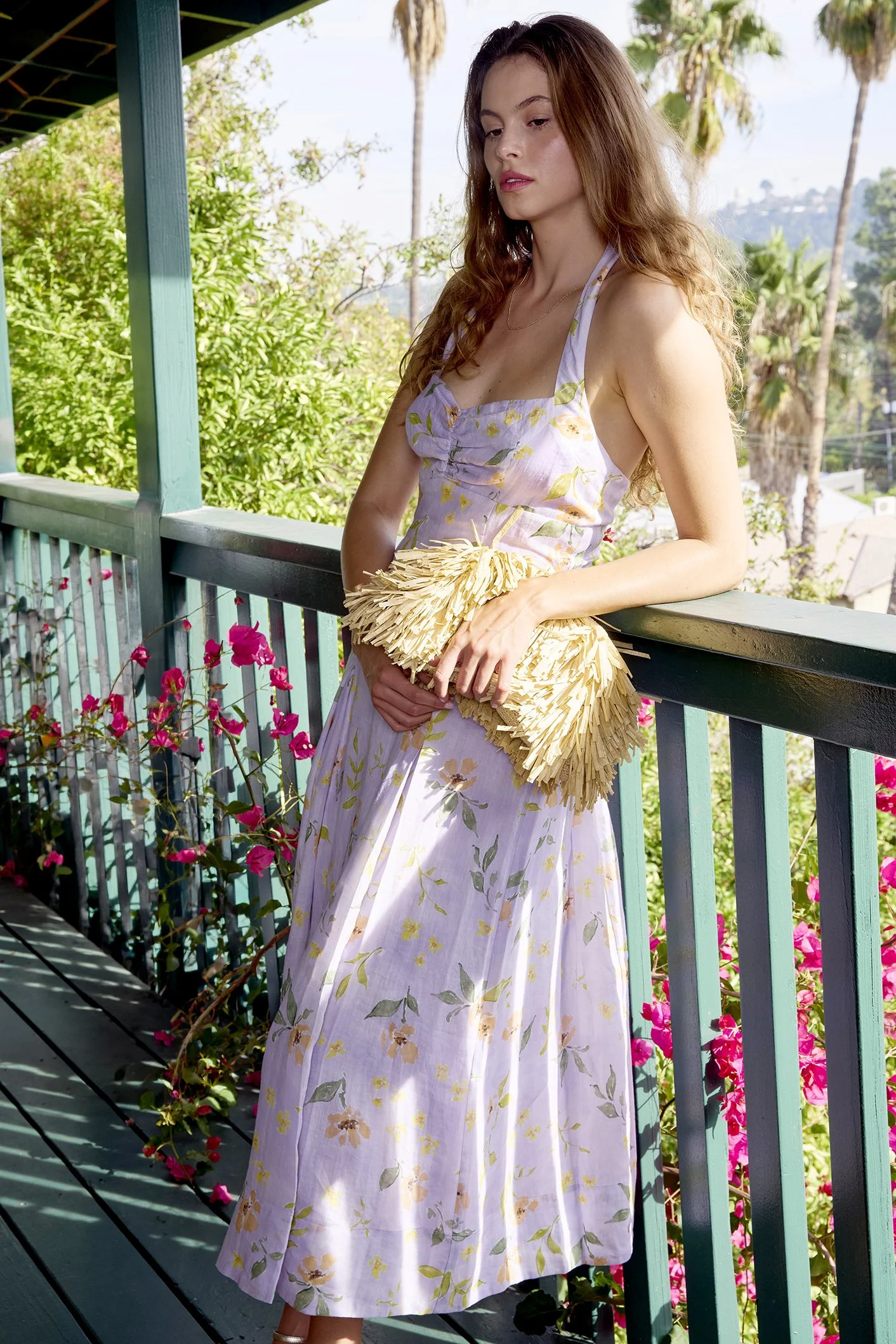
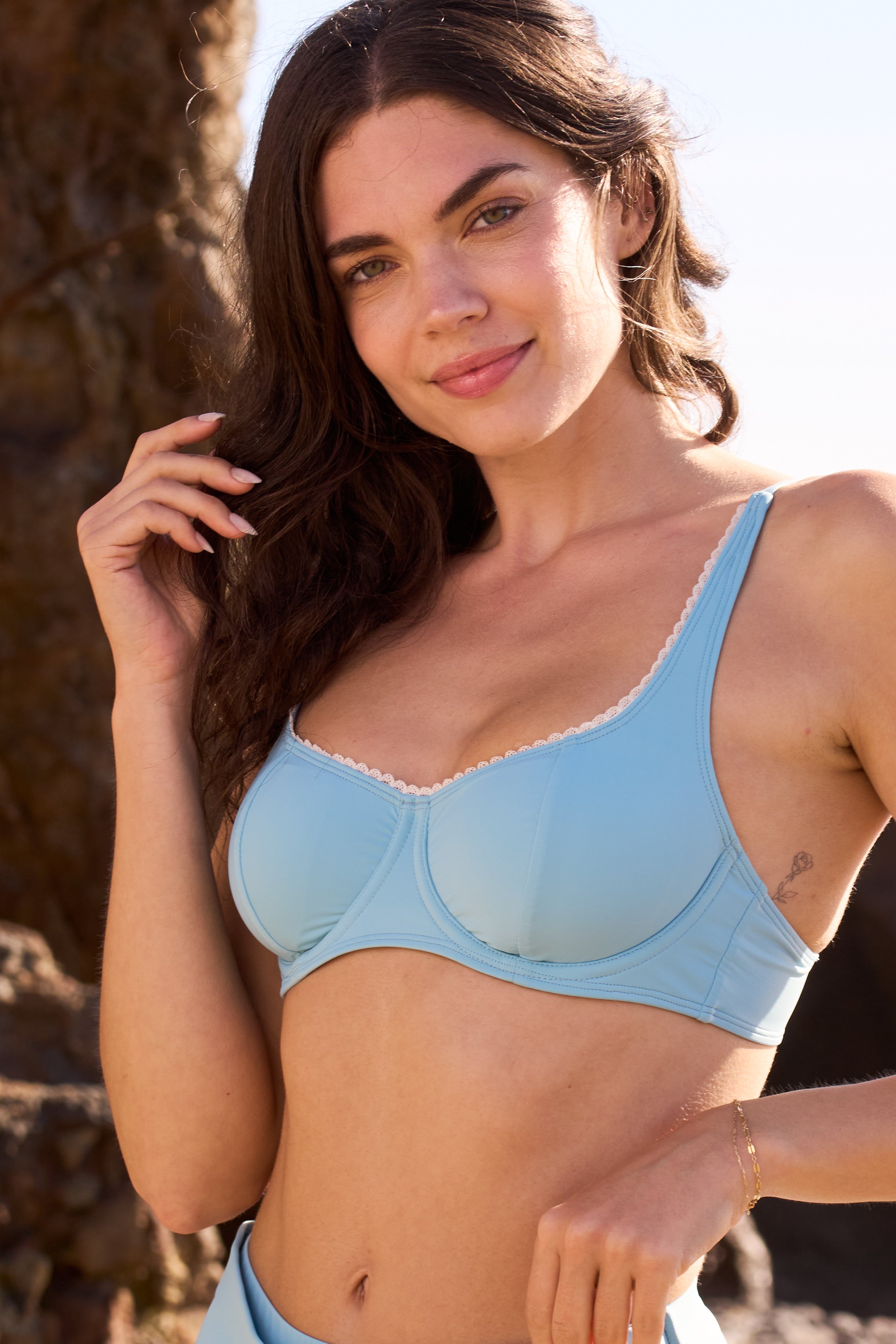
This is the section that matters most for photographers building a commercial client base on a real world budget. The warm, sun drenched CPG aesthetic clean surfaces, soft golden shadows, bright backgrounds, product colors that pop with natural warmth is one of the most in-demand visual styles in the DTC and lifestyle brand space. And it is achievable without a single strobe, modifier or power pack.
Position Your Window as a Softbox
A large north facing or east facing window on an overcast day acts as a natural softbox when your subject is placed close to it and perpendicular to it. Set your shooting surface so the window is to the left or right of your frame rather than directly behind the camera. This creates directional side lighting that gives your product depth and dimension. The closer your product is to the window, the softer and more wrapping the light becomes the same inverse square law that governs strobe positioning, applied through glass.
Build a Two Board Fill System
Place a large piece of white foam board opposite the window on the shadow side of your product. This redirects window light back toward the subject, lifting shadow detail and creating a natural fill without a second source. The gap between board and subject controls fill ratio closer gives a brighter, more even image; farther gives more shadow depth.
For warm CPG aesthetics specifically, replace the white board with warm toned craft paper or a gold faced reflector. The reflected light picks up that warmth and introduces it into the shadow side of the image, directly mimicking the quality of late morning sunlight filling a well lit kitchen.
Select Backgrounds That Carry Light Naturally
The backgrounds that define the sunny CPG look warm white, cream, natural linen, aged wood grain are inexpensive and reusable. Seamless paper in warm white runs under twenty dollars a roll. Textured vinyl backdrops in linen and stone textures are thirty to sixty dollars.
Position your product one to two feet in front of the backdrop so its shadow falls softly behind it rather than sharply against it. Window light hitting the background directly keeps it bright and consistent without needing a separate background light.
Shoot in the Morning Window
Morning window light in the first two hours after sunrise carries the warmest color temperature of the day. East-facing windows deliver a quality closer to 5000–5500K with a soft, directional warmth that midday and afternoon light cannot match. Schedule lifestyle and CPG shoots in the morning. Midday is better suited to clean, harder edged e-commerce imagery than warm lifestyle work.
Grade for the Finish in Post
A consistent light editorial treatment completes the aesthetic. In Lightroom or Capture One: raise whites slightly for airiness, shift white balance warm to 5500–5700K if the light was cool, lift blacks by two to four points to prevent heavy shadows and reduce clarity slightly three to five points to keep the image feeling soft and lifestyle appropriate rather than sharp and clinical. This treatment gives images the visual consistency that commercial clients expect across a full product line.
Which Light Source Should You Learn First
The recommendation from experienced commercial photographers is consistent: learn natural light first.
Not because strobes are technically harder. The reason is that natural light forces photographers to develop the observational habit that all good lighting requires seeing what light is actually doing to a surface before touching a camera setting. Working with a single, variable, uncontrollable source trains the eye to read shadow transitions, identify color temperature shifts and make exposure decisions based on visual judgment rather than dial position.
When a photographer who has mastered natural light picks up a strobe, the technical learning curve is short because the visual judgment is already developed. The reverse is not equally true.
The Standard Sarah Sherr Photo Sets for Commercial Light

At Sarah Sherr Photo, the first decision made for every commercial brief in Los Angeles is the same: what does this brand's light need to communicate and which source produces that most honestly?
For lifestyle brands, CPG clients, and beauty labels, that often means working with Los Angeles's natural light, warm, directional and available in quality that few other cities match year round on location or in naturally lit spaces that give imagery an organic quality no strobe setup fully replicates. For catalog work and campaign imagery requiring tight visual consistency, controlled strobe setups provide the production reliability that commercial clients at scale require.
The result is commercial photography that serves the brief rather than defaulting to a single technical approach. If your brand needs imagery built around its specific visual identity, book a consultation with Sarah Sherr Photo. Your brand's light should be a deliberate decision, not an accident of whatever was available on shoot day.
The Brief Decides the Light, Not the Other Way Around
Natural light and studio strobes are not competing philosophies. They are two answers to different questions. Natural light answers: how do I make this product feel real, warm and trustworthy? Strobes answer: how do I make this image exactly repeatable, precise and production ready at scale?
The commercial photographers with durable careers are not loyal to either source. They are loyal to the brief. They walk into a space, read what is available and know within minutes whether the job calls for a window and two foam boards or a monolight and an octabox.
That decision starts with understanding what light actually does inside a commercial frame. The gear follows from the vision, not the other way around.
Turn Your Eye for Light into Professional Skill
Reading about commercial lighting is only the beginning. Join Sarah Sherr's photography course and learn how to master natural light, studio strobes, composition and real commercial workflows through practical, hands-on training. Whether you're starting out or refining your portfolio, you'll gain the confidence and skills to create images that clients trust and pay for.
Frequently Asked Questions
Is natural light professional enough for paid commercial photography work?
Yes. Controlled natural light can produce commercial-quality images used for lifestyle, beauty and CPG campaigns.
What makes studio strobes necessary for some commercial briefs?
Consistency. Strobes deliver the same lighting every time, making them essential for high volume product and catalog work.
Can a photographer recreate a sunny CPG aesthetic without lighting equipment?
Yes. A large window, reflector, proper timing and color grading can reliably create a warm, sunlit commercial look.
What is the correct order to learn: natural light or strobes first?
Natural light first. It builds a strong understanding of light, making strobe photography easier to master later.
How does color temperature affect commercial photography?
Natural light changes throughout the day, requiring white balance adjustments. Strobes stay consistent around 5500K, providing reliable color accuracy.