
How Professional Photography Increases DTC Conversion Rates and Sales
Your DTC conversion rate is stuck because your product visuals are not building trust
DTC brands often assume growth comes from more traffic. In reality, the bottleneck is trust at the point of decision.
Research from Nielsen Norman Group shows that 56 percent of users click on product images first before engaging with any other content on a product page, making visuals the primary driver of first impressions. At the same time, data from Salsify confirms that 77 percent of shoppers say product photos and videos are extremely important to completing a purchase.
This means your photography is not supporting conversions. It is deciding them.
Authenticity compounds this effect. According to Getty Images, 98 percent of consumers say authentic, real-life images is critical for building trust. Customers are not just evaluating your product. They are evaluating whether they believe what they see.
When visuals fail to clearly communicate the product, customers hesitate. When they hesitate, they leave. This is the silent revenue leak most brands never diagnose correctly.
Professional photography increases DTC conversion rates because it removes uncertainty at the exact moment a customer is deciding whether to buy or not.

The hidden cost of weak product images
You are losing revenue before customers even read your offer
Low-quality or inconsistent images create friction instantly. Customers cannot clearly understand what they are buying, so they delay the decision or abandon it entirely.
Research from Baymard Institute shows that unclear or insufficient product images is a leading cause of hesitation and drop-off. In usability testing, users often exit product pages simply because they cannot confidently evaluate what they are seeing.
This behavior aligns with broader findings that 67 percent of consumers consider product image quality extremely important when making a purchase decision.
When clarity is missing, customers do not try harder. They leave.
Data also shows that listings with high-quality images are 4.5 percent more likely to convert, even when everything else remains constant. This is not a design improvement. It is a direct revenue lever.
Poor visuals increase returns and destroy margins
Returns are not just an operations issue. They are a perception failure.
Industry data shows that 71 percent of returns happen because the product does not match expectations created online, while total ecommerce returns have reached 16.9 percent of sales in recent retail reports.
This gap is created before the purchase happens.
When images fail to show accurate color, texture, scale, or real-world use, customers fill in the gaps themselves. That assumption becomes the expectation. When reality does not match it, the product gets returned.
Strong photography eliminates that gap. It aligns expectation with reality before the customer clicks buy.
Weak visuals make your paid traffic more expensive
You are not just losing conversions. You are increasing acquisition cost.
When customers click your ad and land on a page with unclear visuals, trust drops instantly. That reduces conversion per visitor and forces you to spend more to achieve the same revenue.
According to insights from BigCommerce, improving image quality can directly increase revenue per visitor without increasing traffic.
This means better visuals do not just improve conversion. They improve the efficiency of your entire marketing system.
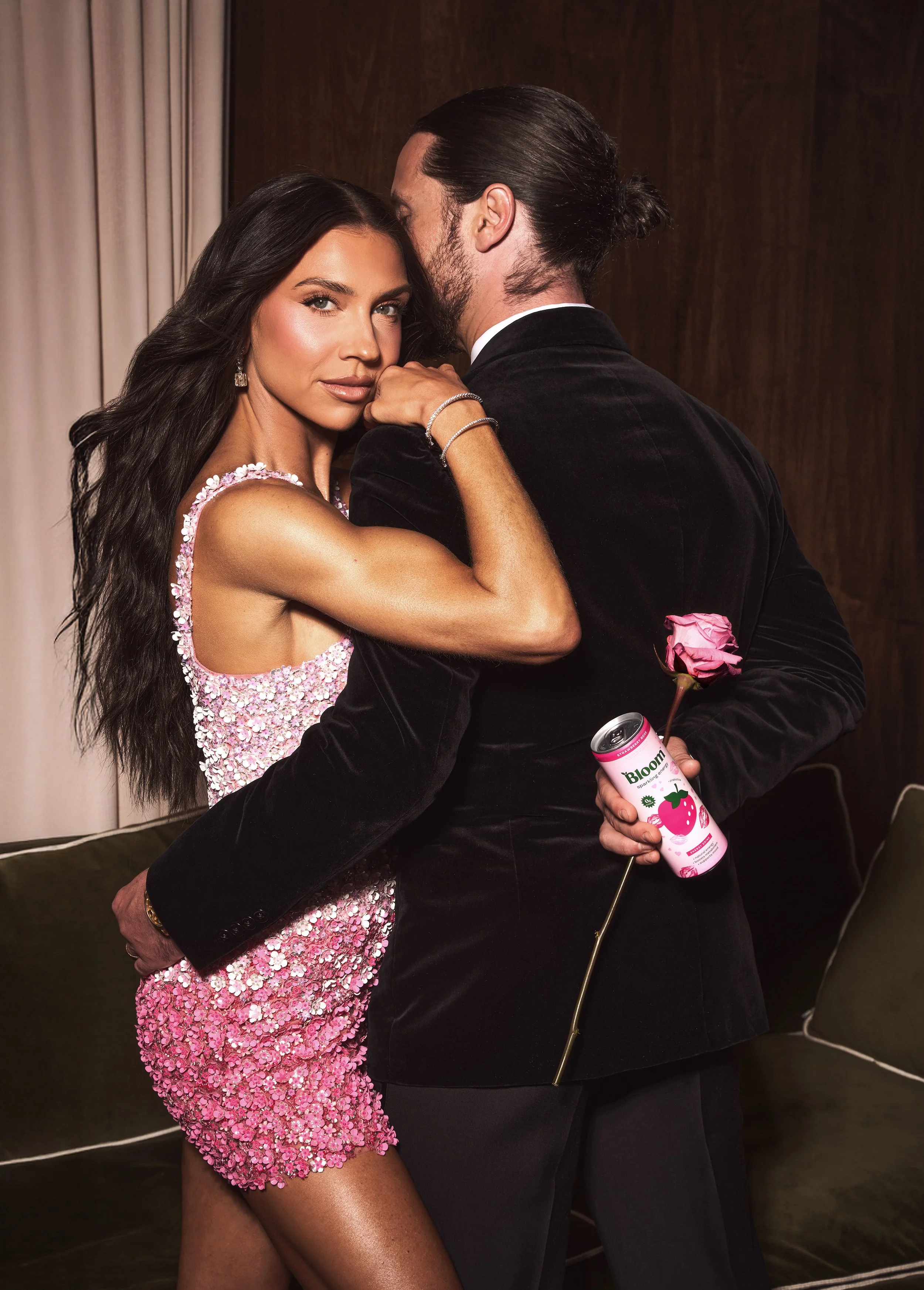
The shift that separates high-growth DTC brands
From attractive images to decision-driven visuals
Most brands treat photography as a creative output. High-growth brands treat it as a decision system.
Each image must answer a specific customer question:
What does this actually look like in real life
How does it fit, feel, or function
What problem does it solve
Can I trust what I am seeing
When these questions are answered visually, persuasion becomes easier because doubt is removed.
Clarity plays a measurable role here. Studies show that 68 percent of consumers say clean, distraction-free images help them better understand a product.
Reducing cognitive load increases conversions
Customers do not want more information. They want faster certainty.
When product pages rely on unclear visuals, customers are forced to think, interpret, and imagine. That cognitive effort creates friction.
When images are structured correctly, customers move faster from evaluation to decision.
This is why shoppers are up to three times more likely to purchase when product pages include high-quality, multi-angle, and zoomable images.
Better visuals do not just inform. They reduce effort.
Turning product pages into conversion systems
High-performing product pages follow a visual structure:
Hero images that establish immediate clarity
Detail shots that validate quality
Lifestyle images that provide real-world context
Scale references that remove size uncertainty
This is not design preference. It mirrors how users evaluate products.
Professional photography transforms your product page from a static gallery into a guided decision experience.
What actually defines professional, conversion-focused photography
Professional photography that increases DTC conversion rates is not about aesthetics alone. It is about controlled execution and consistency.
Lighting and visual control
Lighting determines how your product is perceived. Controlled lighting ensures accurate color, visible texture, and consistent quality across all images. Poor lighting introduces doubt immediately.
Color accuracy and expectation alignment
Customers expect what they see to match what they receive. Professional workflows ensure color accuracy across devices and platforms, reducing mismatch and returns.
Structured image sequencing
High-converting brands do not upload random images. They follow a system that mirrors buying behavior. This removes friction and speeds up decision-making.
Multi-angle clarity and detail visibility
Research from Baymard Institute highlights that users rely heavily on multiple images to fully evaluate a product.
Single-image product pages create uncertainty. Multi-angle clarity builds confidence.
Consistency across the entire catalog
According to Shopify, consistent product images contributes directly to higher conversion rates and stronger brand trust.
Consistency signals reliability. Inconsistency signals risk.
Real performance impact of better photography
The impact of professional photography is measurable across industries.
A home décor brand achieved a 35 percent increase in conversion rate and a 20 percent reduction in returns after improving product images
Larger, high-resolution images have driven up to 27 percent increases in sales
Stores using professional visuals report over 30 percent higher conversion rates
In apparel, adding contextual and multi-angle images made customers significantly more likely to purchase. Across categories, 53 percent of consumers rely on images to understand how a product works before buying.
These are not creative improvements. These are operational gains that directly affect revenue.
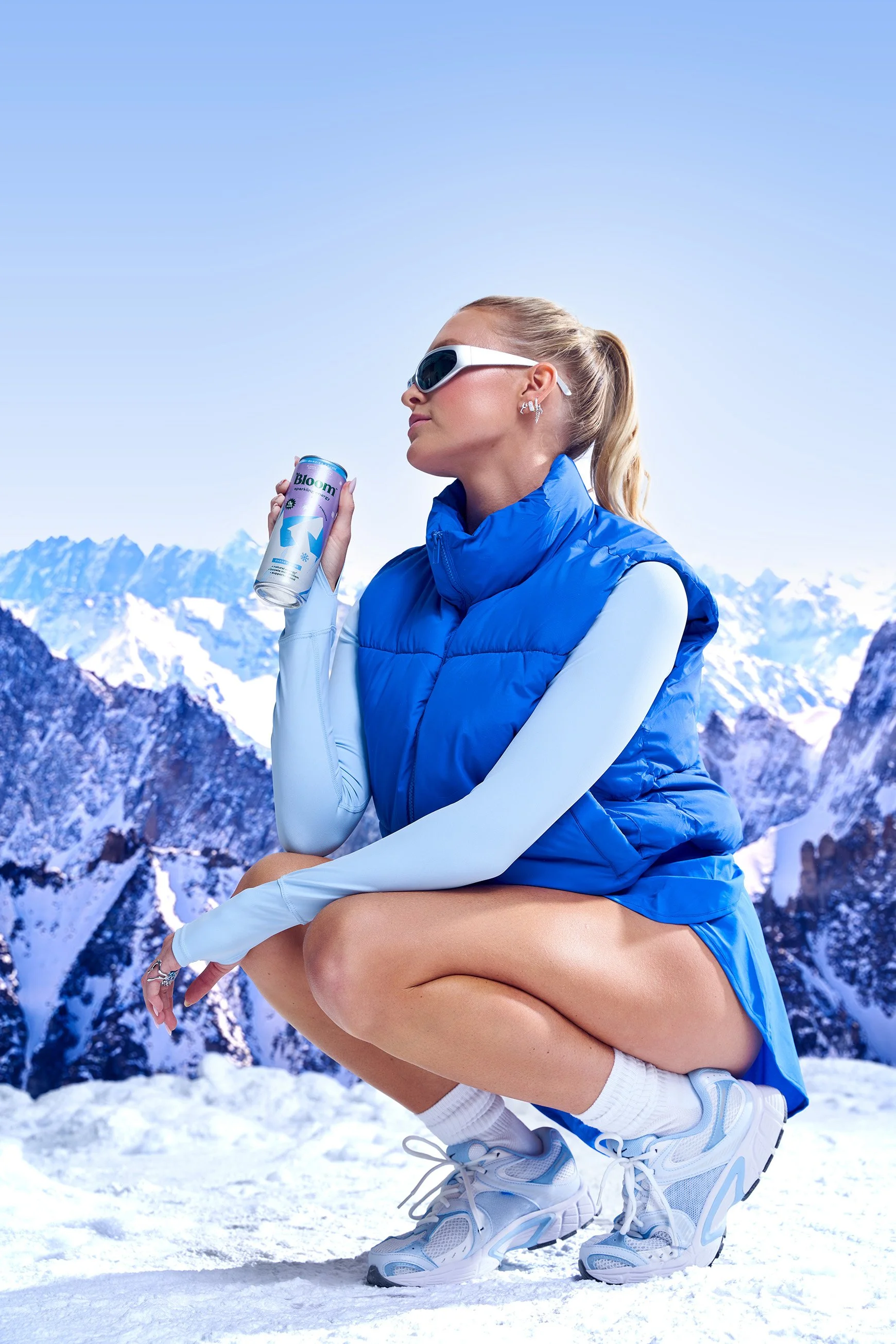
Why your ad performance depends on your photography
Most brands try to fix performance at the ad level. The real issue is what happens after the click.
If your visuals fail to match the expectation set by your ads, trust drops instantly and conversions collapse.
Strong photography:
Improves landing page experience
Increases conversion per visitor
Lowers acquisition cost
Improves ROAS without increasing spend
This is why brands that scale successfully invest in visuals before scaling ad budgets.
What working with Sarah Sherr Photo actually solves
Most photography fails because it starts with visuals instead of strategy.
Sarah Sherr Photo approaches this differently by focusing on:
Customer psychology
Product positioning
Conversion friction points
This ensures every image has a purpose tied to business outcomes.
You are not getting isolated assets. You are building a structured visual system designed to:
Increase conversion rates
Improve ROAS
Reduce returns
Maintain consistency at scale
Turn weak product visuals into a conversion system that drives DTC sales
If your DTC brand is getting traffic but struggling with low conversion rates, high returns, or inconsistent performance, the issue is not demand. It is how your product is being presented.
Professional photography for DTC conversion rates transforms your product pages into decision-making systems. When your visuals clearly communicate quality, accuracy, and real-world use, customers gain the confidence to buy without hesitation.
Sarah Sherr Photo builds conversion-focused visual systems for DTC brands that need stronger performance across their entire funnel.
If your current visuals are limiting your growth, this is where you fix the problem at its source. Contact Sarah Sherr Photo Now to turn your product visuals into a high-converting system that increases DTC conversion rates and drives real sales.
Use Professional Photography to Increase Your DTC Conversion Rates
If your traffic is high but your sales are stagnant, your visuals are likely the bottleneck. You don’t just need better pictures; you need a decision-driven visual system designed to remove customer hesitation.
I help brands bridge the gap between "scrolling" and "buying" by replacing weak imagery with high-performance assets. Fill out the form below to share a bit about your brand, and let’s discuss how professional photography increases DTC conversion rates specifically for your product line.